Machine Learning and AI for revolution of Tech Companies are changing and streamlining businesses.


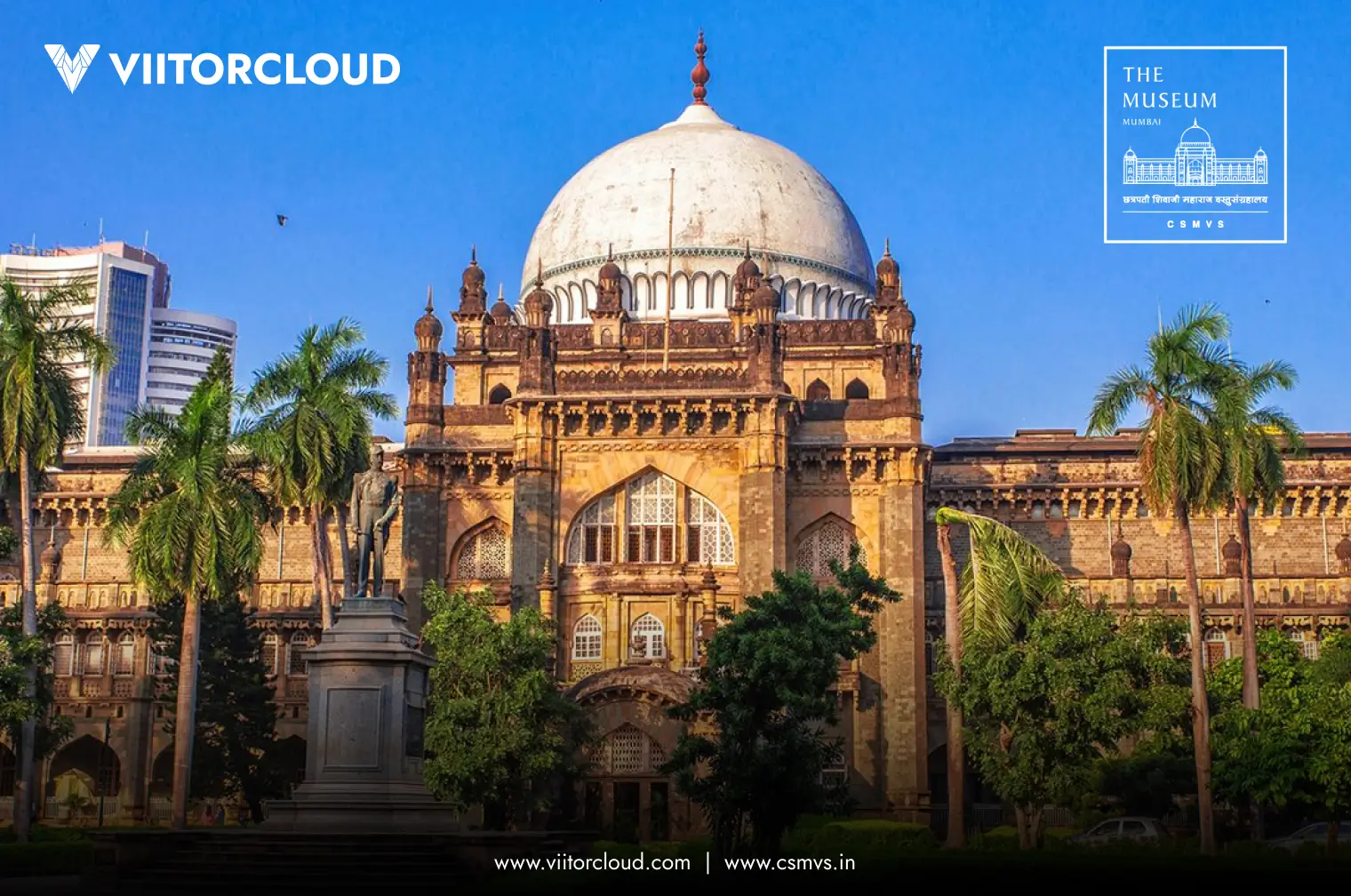
The Chhatrapati Shivaji Maharaj Vastu Sangrahalaya (CSMVS) in Mumbai has stood as a beacon of India’s cultural heritage since opening its doors to the public in 1922.
For over a century, this premier institution has preserved the artistic and historical legacy of the subcontinent.
However, in the 21st century, the mandate of a museum extends beyond preservation; it is about storytelling, engagement, and making the distant past palpable for a modern audience.
About “Networks of the Past” at CSMVS
On December 12, 2025, CSMVS opened a landmark exhibition titled “Networks of the Past: A Study Gallery of India and the Ancient World,” which positions India’s ancient history in conversation with the wider world, tracing connections through trade, art, ideas, and belief systems from the Harappan (Sindhu–Sarasvati) civilisation through to the Gupta period.
The gallery narrative, hosted in the museum’s main hall, is built around exchange. It uses over 250 archaeological objects to show how civilizations developed through sustained contact rather than isolated progress.
CSMVS describes it as a global co-curation that brings together these 250 artifacts from six international and eight Indian museums under one roof, developed through a “Sharing Collections Program” that has been four years in the making.
The central theme of this event is cultural exchange, a testament to how ideas, goods, and beliefs traversed borders long before the modern era of globalization.
ViitorCloud’s contribution to digital experiences for CSMVS
To bring these ancient narratives to life, CSMVS partnered with ViitorCloud to design and deploy a suite of immersive digital experience solutions.
As a trusted technology partner, our goal was to create digital interventions that deepen visitor interpretation without overshadowing the magnificent physical objects on display.
By blending historical scholarship with intuitive technology, we helped transform passive viewing into an interactive experience.
Here is an in-depth look at the four distinct digital solutions ViitorCloud created for this exhibition:
1. The Rosetta Stone Experience
One of the exhibition’s centerpieces is a part of the Rosetta Stone, brought in from the British Museum. This artifact is historically monumental, as it provided the key to deciphering Egyptian hieroglyphs.
However, for a typical visitor, the dense inscriptions on the stone can be difficult to interpret with the naked eye.
To bridge this gap, ViitorCloud developed a comprehensive interactive app displayed on a digital kiosk positioned directly in front of the artifact.
This solution transforms the stone from a static object into a dynamic learning tool.
- Interactive Deciphering: The application features a high-fidelity digital twin of the stone. Visitors can touch specific sections of the digital stone (whether the Hieroglyphic, Demotic, or Ancient Greek scripts) and the screen immediately provides a detailed explanation of that text.
- Contextual Storytelling: Beyond simple translation, the experience guides users through the history of the stone’s discovery and the scholarly race to crack its code. It highlights the roles of figures like Thomas Young and Jean-François Champollion, making the intellectual history as gripping as the artifact itself.
- Gamified Learning: To ensure the experience resonates with younger audiences, we integrated a “Decoding Hieroglyphs” feature. This interactive segment invites visitors to trace hieroglyphic signs, scoring their accuracy and revealing translations, effectively allowing them to step into the shoes of an ancient scribe.
2. Trade Links in the Ancient World
The ancient world was far more globalized than many realize. To visualize this, ViitorCloud created the “Trade Links in the Ancient World” solution.
This interactive map serves as a digital atlas of antiquity, illustrating the complex web of overland and maritime routes that connected civilizations across continents.
Designed as an interactive table, this solution allows visitors to explore the macro-level connectivity of the past:
- Route Exploration: Visitors can tap on major trade networks, such as the Silk Road, to see them animate across the terrain. The map visualizes how these routes connected regions as diverse as China, India, Mesopotamia, and Rome.
- Commodity Tracking: The interactive goes beyond geography to economics. By selecting specific routes, users can discover which goods were traded, from silk and spices to precious metals. The interface allows visitors to toggle between import and export views, helping them understand the flow of resources that powered ancient economies.
- Archaeological Evidence: To ground these digital routes in reality, the map is linked to archaeological data. When a user investigates a specific trade good, the map reveals locations where physical evidence of that trade has been found, creating a direct link between the map and the artifacts in the room.
3. Trade Links During the Harappan Period
While the general trade map offers a global overview, the exhibition required a specialized focus on the Indus Valley Civilization.
For this, we developed a dual-screen installation titled “Trade Links during the Harappan Period.”
This solution utilizes a unique “book-type” kiosk synchronized with a large wall-mounted display to tell a specific story about Harappan commerce:
- The Material Kiosk: The lower screen, designed as an accessible kiosk, presents visitors with seven key materials that defined the Harappan era, such as carnelian, copper, and lapis lazuli. This interface encourages tactile exploration, inviting visitors to “pick” a material that interests them.
- The Global Wall: Once a visitor selects a material on the kiosk, the larger wall screen instantly responds. It projects a dynamic global map that traces the specific journey of that material. For instance, if a visitor selects Carnelian, the wall displays the mining sources in regions like Gujarat and traces the trade routes that carried these beads to distant lands like Mesopotamia.
- Visualizing Connections: This synchronized dual-screen approach allows visitors to understand the scale of the Harappan enterprise. It visually demonstrates the “export” and “import” logic of the time, showing how raw materials and finished crafts moved between the Sindhu-Saraswati civilization and its trading partners in Dilmun (Bahrain) and Magan (Oman).
4. The Digital Feedback Kiosk
Museums today thrive on dialogue. Understanding that visitor feedback is crucial for the evolution of cultural spaces, ViitorCloud implemented a Digital Feedback Kiosk.
Moving away from cumbersome paper forms, this digital solution offers a sleek, user-friendly interface that encourages participation.
- Intuitive Design: The kiosk presents a set of carefully curated questions, ranging from demographic details to qualitative questions about the exhibition experience. The interface uses dropdowns and simple text inputs to minimize friction, ensuring visitors can share their thoughts quickly and easily.
- Meaningful Engagement: One of the key features is a prompt asking, “Does anything from ancient times remind you of your life today?” This question invites deep reflection, bridging the gap between the artifacts and the visitor’s personal reality. The system also supports localized keyboards, ensuring accessibility for a diverse range of visitors.
The bottom line
The “Networks of the Past” exhibition at CSMVS is more than a display of objects. We believe it is a narrative of human connection that spans millennia.
ViitorCloud’s role in this collaboration was to translate scholarship-led themes (writing, routes, materials, and evidence) into interactive experiences that support curiosity, deepen learning, and keep the artefacts at the centre of attention.
By integrating technologies like interactive mapping, synchronized dual-screen displays, and gamified learning, we have helped CSMVS reimagine how audiences engage with history.
Our solutions ensure that while the objects may be ancient, the experience of discovering them is distinctly modern.
If you are shaping a museum, gallery, or cultural project, connect with ViitorCloud. Let us help you co-create meaningful digital narratives that honor your collections and captivate your audiences.
Check our more case studies here.


Innovative tech solutions aligning with your goals
Transformation starts here
- Strategic consultation
- Collaborative approach
- Agile development