The incessant advancement of digital ecosystems in the last few years has made legacy system modernization a critical operational requirement for global enterprises.
Organizations in the BFSI, manufacturing, and government sectors often rely on outdated software architectures that hinder scalability and increase security risks.
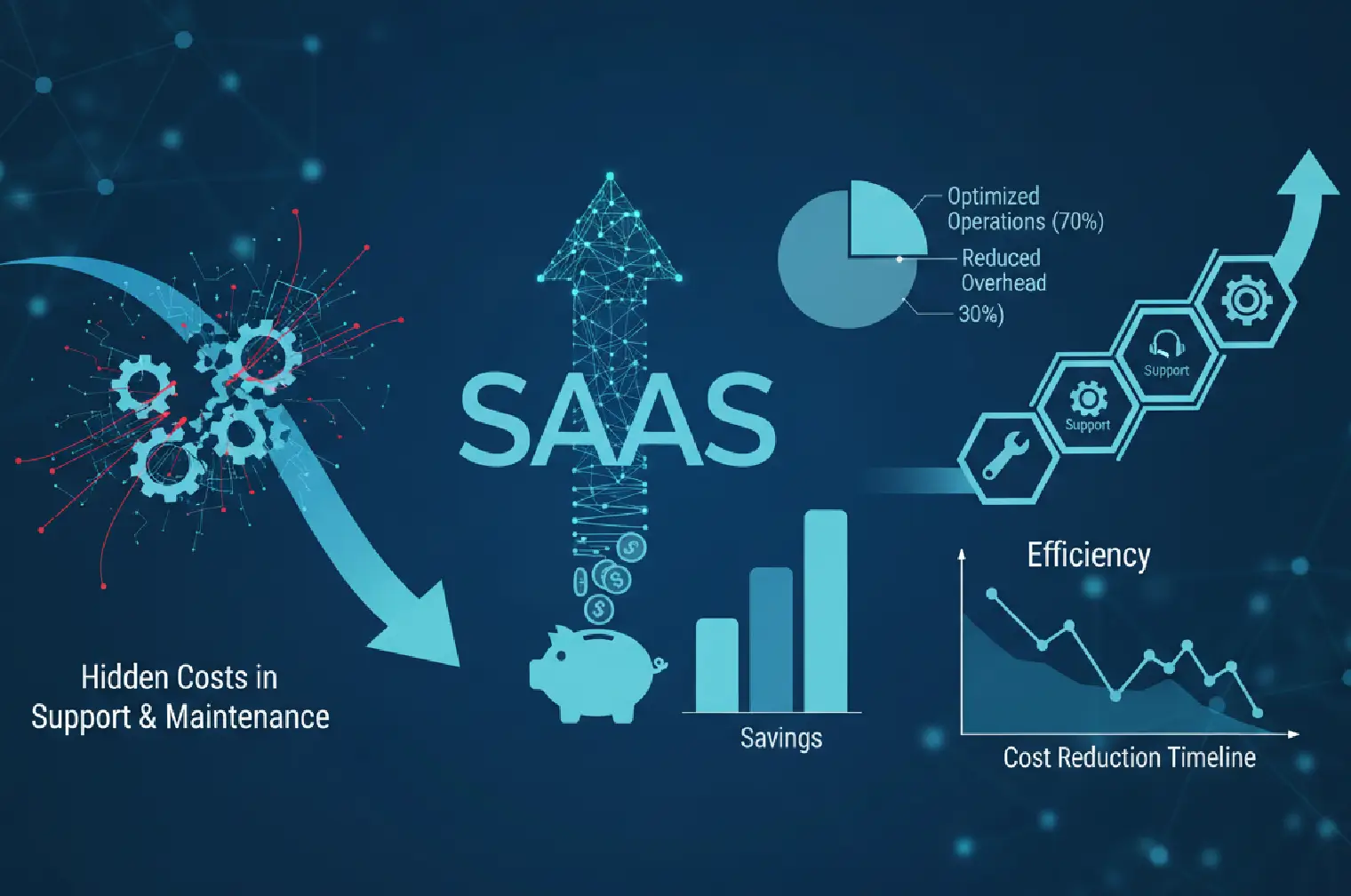
Maintaining these systems consumes approximately 60% to 80% of IT budgets, leaving limited capital for innovation. ViitorCloud provides comprehensive legacy modernization services that allow companies to transition from monolithic infrastructures to modular, cloud-native environments.
With this article, we will discuss the technical strategies, industry-specific requirements, and expected outcomes of a structured modernization journey.
The Strategic Necessity of Legacy System Modernization
Enterprises frequently face the “technical debt” trap, where the cost of maintaining a 15-year-old system exceeds the cost of rebuilding it.
According to research from Gartner, technical debt can consume up to 40% of the time available for new development in large organizations. Delaying a legacy system modernization project results in decreased system performance and a higher probability of data breaches.
Modernizing software does not mean a complete replacement of every component. It involves a systematic evaluation of current assets to determine which parts require refactoring, rehosting, or replatforming. By utilizing expert legacy modernization services, businesses can achieve higher uptime and better resource allocation.
Modernize Core Systems with Confidence
Accelerate innovation in BFSI and Manufacturing with ViitorCloud’s Legacy Modernization Services and Digital Transformation expertise.
Impact of Modernization on Business Metrics
| Metric | Legacy State | Modernized State (Post-Transformation) |
| Deployment Frequency | Monthly or Quarterly | Daily or Weekly |
| System Uptime | 95% – 98% (Siloed) | 99.9% – 99.99% (Cloud-Native) |
| Maintenance Costs | Increasing year-over-year | Optimized and predictable |
| Security Patching | Manual and slow | Automated and real-time |
Industry-Specific Challenges and Solutions
Different industries face unique constraints when initiating legacy app modernization. Understanding these nuances is essential for choosing the right migration path.
1. BFSI (Banking, Financial Services, and Insurance)
The financial sector deals with high-volume transactions and strict regulatory compliance. Many banks still use COBOL-based mainframes that lack native API support. This makes legacy app modernization difficult but necessary to integrate with modern Fintech partners. Legacy application modernization in banking focuses on creating an API-first layer that wraps around the core system, allowing for digital-first customer experiences.
2. Manufacturing
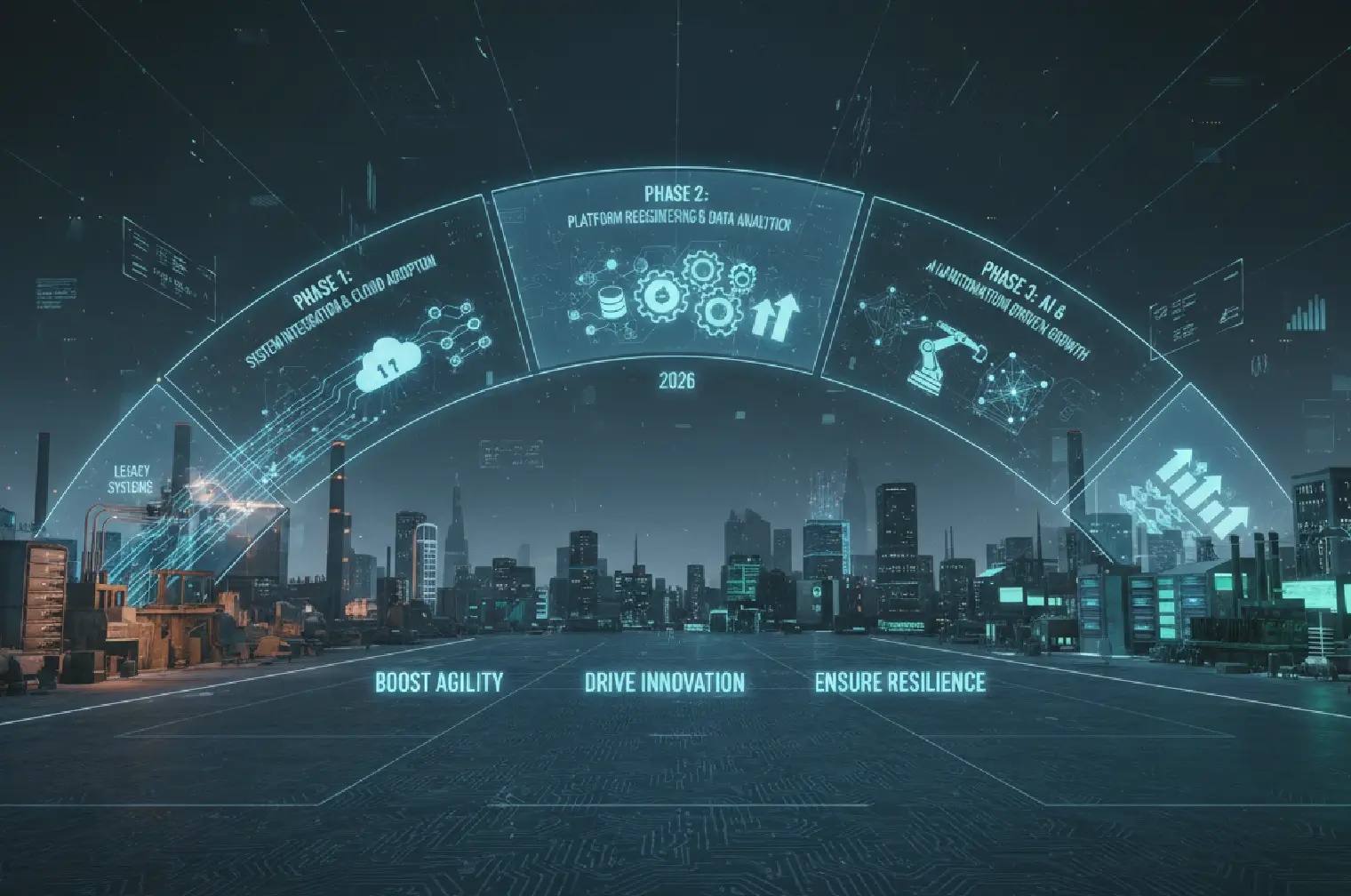
Manufacturing enterprises often operate with fragmented ERP and SCADA systems. To implement Industry 4.0 initiatives, these organizations require real-time data flow between the shop floor and the corporate office. Legacy system modernization in this sector often involves moving to a hybrid cloud model to support IoT integration and predictive maintenance.
3. Government and Public Sector
Government agencies handle sensitive citizen data across disparate departments. The primary goal for legacy modernization services in the public sector is to improve data interoperability and security. Migrating to a centralized, secure cloud environment reduces the physical server footprint and improves service delivery to the public.
Technical Strategies for Legacy App Modernization
There are several established approaches to modernizing outdated applications. The choice depends on the existing architecture, the desired outcome, and the available timeline.
Rehosting (Lift and Shift)
Rehosting moves the application to a cloud environment without changing the code. This is the fastest way to reduce hardware costs, although it does not fix underlying architectural flaws.
Replatforming (Lift and Reshape)
Replatforming involves making minor adjustments to the code to take advantage of cloud features, such as managed databases or auto-scaling. This approach balances speed with performance improvements.
Refactoring (Re-architecting)
Refactoring is a deep-level legacy app modernization strategy. Developers break down monolithic applications into microservices. This allows different parts of the system to be updated and scaled independently. ViitorCloud’s system integration and modernization team specializes in this transition, ensuring that data integrity is maintained during the decouple-and-move process.
Future-Ready Operations Begin Here
Strengthen performance and agility with strategic Legacy Modernization Services and end-to-end Digital Transformation solutions.
A Step-by-Step Modernization Roadmap
Successful legacy modernization services follow a structured lifecycle to minimize operational downtime.
- Assessment and Inventory: List all software components, dependencies, and hardware requirements.
- Risk Analysis: Identify potential points of failure, such as undocumented APIs or deprecated database drivers.
- Strategy Selection: Decide whether to rehost, replatform, or refactor each specific module.
- Data Migration: Securely transfer data from on-premise servers to the target cloud environment.
- Testing and Validation: Conduct load testing and security audits to ensure the modernized system meets performance standards.
- Continuous Monitoring: Use automated tools to track system health and security post-launch.
Finance enterprises can find more detailed planning resources in our guide on legacy system modernization in finance, which applies to various high-security industries.
Implement Modernization at Scale with ViitorCloud
When scaling legacy app modernization, organizations must address the human element alongside the technical stack. This includes training internal teams to manage cloud environments and adopting DevOps practices for continuous delivery.
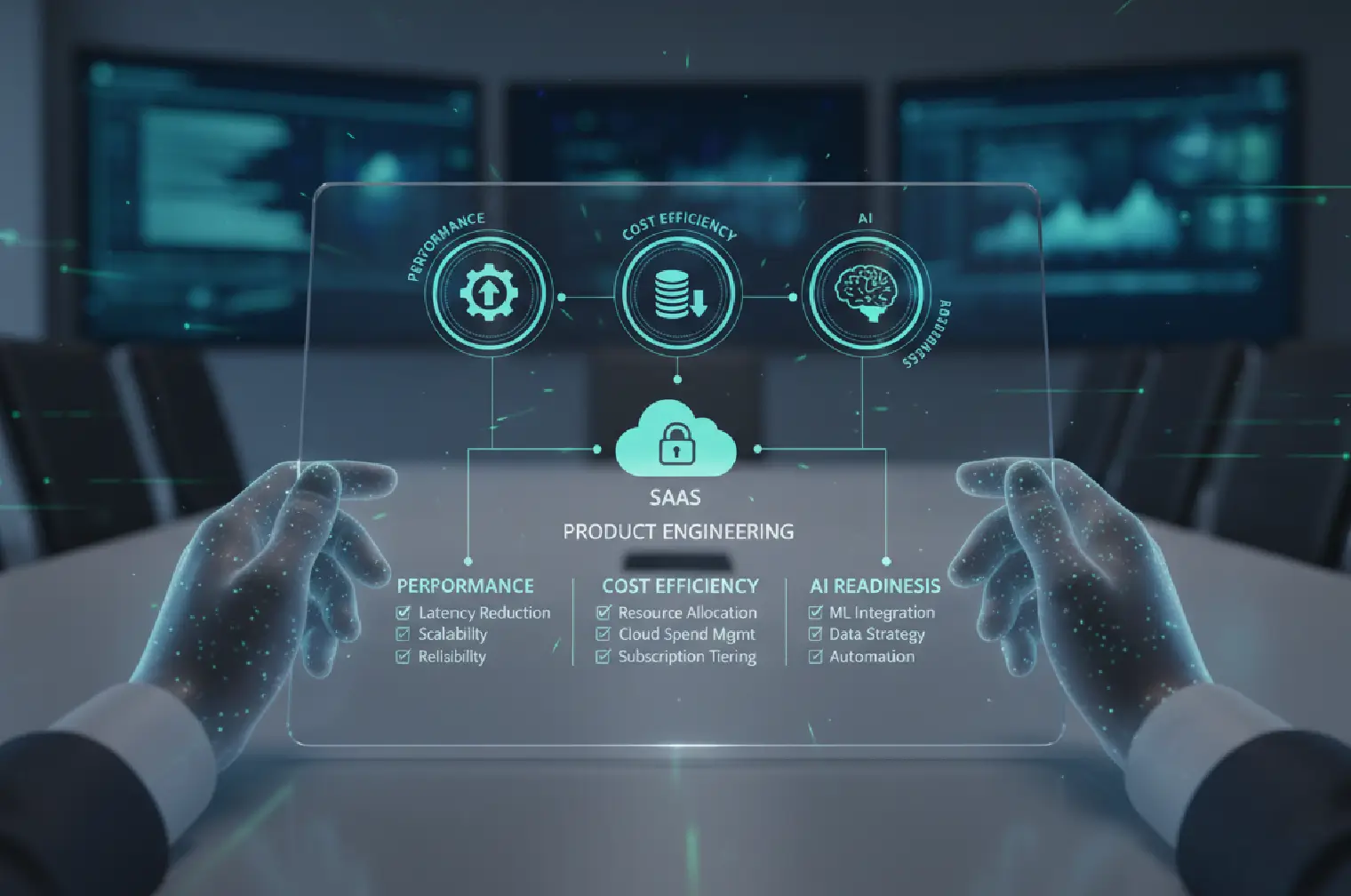
ViitorCloud provides the necessary legacy application modernization solutions to guide enterprises through this transition. We focus on identifying outdated technologies that hinder growth and replacing them with scalable, AI-ready frameworks.
Build a Scalable Digital Foundation
Drive growth in BFSI and Manufacturing using ViitorCloud’s Legacy Modernization Services and Digital Transformation roadmap.
Conclusion
The decision to pursue legacy system modernization is no longer just a technical choice; it is a business imperative. Organizations that continue to run on outdated platforms face increasing costs, security vulnerabilities, and a slower time-to-market.
By partnering with a provider that offers specialized legacy modernization services, enterprises can unlock the agility needed to compete in a digital-first economy.
ViitorCloud’s legacy app modernization expertise ensures that your transition is efficient, secure, and aligned with your long-term business goals. Our proven methodologies and industry-specific insights allow you to transform technical debt into a competitive advantage.
Frequently Asked Questions
How long does a legacy system modernization project typically take?
Most enterprise-level projects take between 6 and 18 months, depending on the complexity and the migration strategy chosen.
What is the difference between legacy modernization and digital transformation?
Modernization focuses on upgrading specific technical stacks, while digital transformation refers to a broader change in business processes and culture.
Is it possible to modernize a legacy system without downtime?
Yes. Using “hollow-the-core” or phased migration strategies allows legacy and modern systems to coexist during the transition period.
What are the primary risks of legacy app modernization?
The main risks include data loss during migration, unforeseen dependencies in old code, and the lack of internal expertise.
How does modernization impact security?
Modernization improves security by introducing automated patching, zero-trust architectures, and enhanced encryption methods not supported by older platforms.

Vishal Shukla
Vishal Shukla is Vice President of Technology at ViitorCloud Technologies.