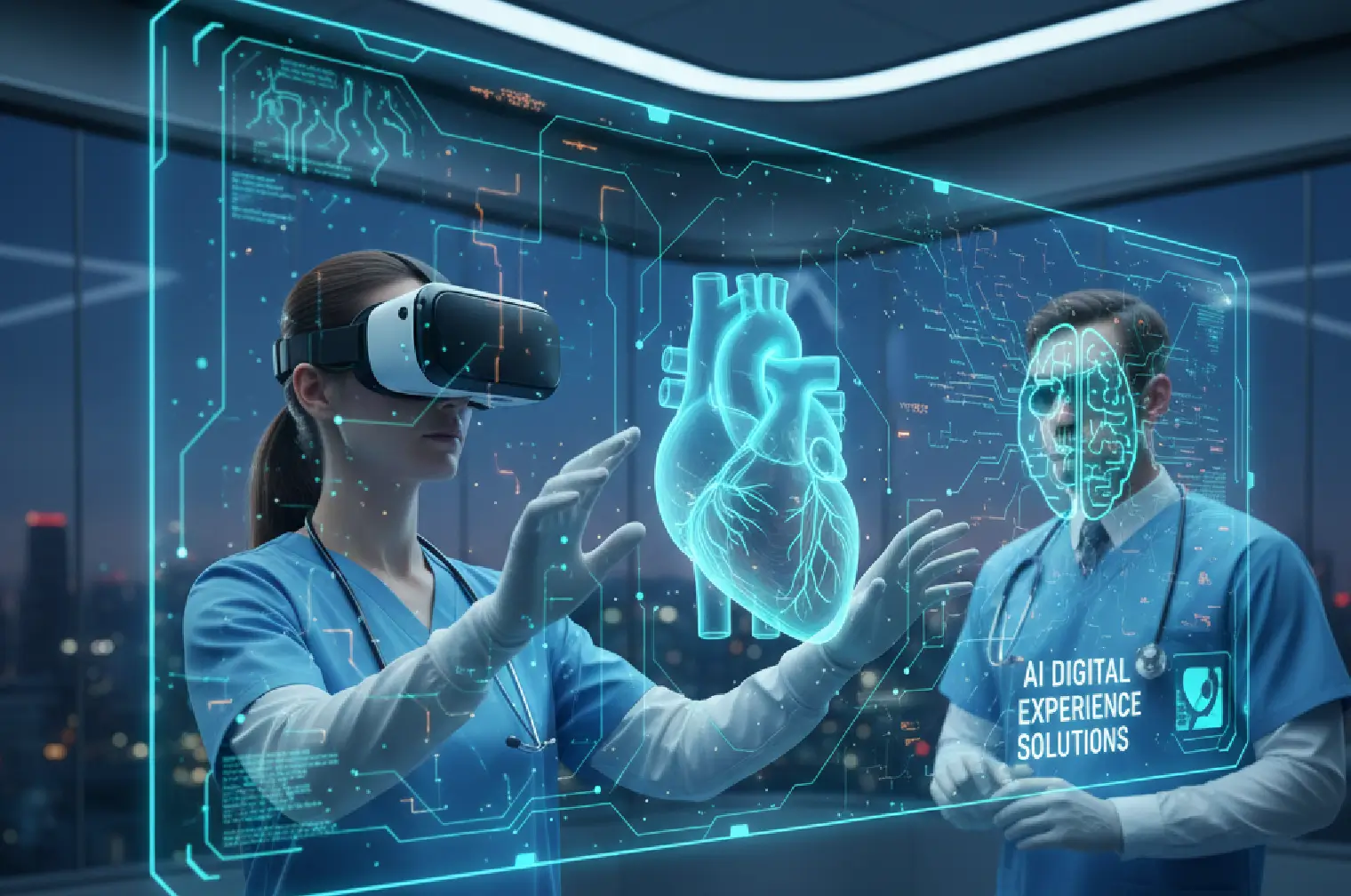
Digital experience design determines how users interact with enterprise software and digital storefronts. Product designers and UX leads face strict technical requirements in 2026. Outdated systems cause high UX debt and slow deployment cycles. Teams must adopt updated UX design principles to maintain user engagement and meet regulatory requirements. Current product design trends prioritize automation, systematic delivery, and strict legal compliance. Companies require solid frameworks to manage complex software operations.
Implementing proper human-centred design improves product retention and reduces user error. This article details the structural changes product teams must execute to build successful software. We focus heavily on scalability and accessibility UX. These core principles help organizations avoid products failing accessibility standards while establishing consistent design systems.
Artificial Intelligence Agents Rebuild User Interfaces in Real Time
Artificial intelligence modifies interfaces based on live user data. This automation is a major factor in modern digital experience design. Teams use model context protocols to connect artificial intelligence directly to design systems. The artificial intelligence reads user interaction patterns. It then structures the interface layout to match those specific habits.
You can observe how teams implement these structural updates by reviewing AI-powered digital experience solutions. The system logic processes large amounts of behavioral data instantly. It updates component states without requiring manual code adjustments from human developers.
Generative User Interfaces Eliminate Static Screens
Product teams no longer design fixed screens for every possible user scenario. They define rules, spacing constraints, and component libraries. The system generates the final layout upon user request.
- Systems adapt navigation menus based on daily usage frequencies.
- The software simplifies checkout forms when it recognizes returning users.
- Layouts prioritize primary tasks over secondary actions automatically.
- Colour contrast adjusts based on ambient light sensor data.
This approach dominates current product design trends. It requires an advanced application of human-centred design. Teams must predict how components behave when the artificial intelligence reshuffles them. Designing for dynamic generation prevents broken layouts.
Stop losing your market share to outdated interfaces
Ignoring aggressive 2026 product design trends directly hands your paying customers to your competitors. We implement flawless digital experience design that locks in deep user loyalty. Apply strict ux design principles and authentic human-centred design to completely fix your sales funnel. Leverage our elite digital experience consulting and services to multiply your daily conversions right now.
New Accessibility Standards Shift Global Compliance Requirements
Governments globally enforce strict digital accessibility laws. Products failing accessibility standards face immediate legal penalties and loss of enterprise contracts. Teams must implement advanced accessibility UX methods early in the development cycle. Manual accessibility testing at the end of a project often results in failure.
Accessibility Moves Beyond Binary Testing Algorithms
The latest Web Content Accessibility Guidelines use outcome scores instead of pass or fail checkboxes. Teams must design specifically for cognitive load management and motion sensitivity. Screen readers require detailed structural mapping within the code.
The W3C accessibility standards outline these exact scoring metrics and conformance requirements. Meeting these guidelines requires precise colour contrast ratios and clear typography scaling. You can review how these standards apply to both physical and digital spaces in our guide covering inclusive digital experience services.
These strict regulations shape core UX design principles. Strong accessibility UX prevents user exclusion and expands market reach. Modern digital experience design requires continuous accessibility monitoring through automated testing pipelines.
Continuous Delivery Frameworks Clear Mountings of UX Debt
Inconsistent design systems create massive UX debt. Developers spend hours fixing mismatched buttons, typography, and spacing variables. Standardized universal tokens fix this issue entirely. Tokens replace static value inputs with dynamic code references.
Design Systems Require Modular Architecture
Product teams implement universal design tokens across all platforms. Tokens store visual attributes as centralized data points. This architecture connects design files directly to code repositories. When a designer updates a colour value in the design software, the token updates the production code automatically.
According to the Nielsen Norman Group, managing UX debt is critical for long-term product viability and development speed. Centralized token systems prevent code bloat. Many organizations use AI-first SaaS development models to automate these continuous updates.
Modular architecture represents one of the most effective UX design principles available to engineering teams. Keeping code and design synchronized aligns with top product design trends. This systematic approach frees designers to focus on complex user problems instead of basic pixel alignment.
Dominate the 2026 market with bulletproof user journeys
Clunky software kills your enterprise growth before it even starts. You need proven digital experience consulting and services to outpace rapid product design trends. We execute world-class digital experience design backed by data-driven ux design principles. Adopt a truly human-centred design approach with our experts and turn your product into an unstoppable competitive advantage.
Multi Modal Environments Demand Strict Contextual Awareness
Users switch constantly between voice commands, touch screens, and spatial computing inputs. Digital experience design must support seamless transitions between these different modes. A user might start a task using a mobile screen and finish it using voice commands in a vehicle. The software must remember the task state across hardware changes.
Device Switching Dictates Interface Layouts
An application must maintain its core functions across varying physical constraints. Interfaces must adapt to physical environments and hardware limitations. Audio feedback must replace visual cues when users interact via voice. Large touch targets must replace small cursors on mobile devices.
Engineers implement digital experience solutions for personalisation to manage these hardware transitions effectively. The system identifies the active device and loads the appropriate interaction model.
This requirement enforces strict adherence to human-centred design. Designing for environmental context is among the leading product design trends. Teams prioritize accessibility UX across all input methods to maintain usability. Consistent software behavior across devices reinforces foundational UX design principles.
ViitorCloud Solves Complex Interface Challenges for Enterprise Clients
ViitorCloud builds scalable design architectures for enterprise software companies. We resolve inconsistent design systems and eliminate accumulated UX debt. Our engineering teams deploy centralized token libraries that synchronize design files directly with production environments. You can explore our digital experience consulting services to view our exact deployment methodologies.
We implement modular design systems that scale across global markets. Our recent client implementations reduced component update times by forty percent. We ensure full compliance with global accessibility regulations to protect clients from legal exposure. We structure user interfaces to support measurable business growth and high user retention rates.
Our internal processes apply strict human-centred design guidelines. We continuously monitor product design trends to keep client software competitive in crowded markets. Our engineering teams integrate accessibility UX at the foundational architecture level. Our technical experts deploy effective digital experience design to guarantee long-term product stability.
Turn your frustrating product into a high-converting powerhouse
Poor navigation destroys your customer retention every single day. Stop guessing and deploy elite ux design principles that actually drive profit. We provide top-tier digital experience consulting and services to rapidly modernize your platform. Capitalize on the latest product design trends through intelligent digital experience design. Embrace human-centred design today and scale your user engagement instantly.

Mit Shah
Mit Shah has been creating immersive experiences and delivering games for various platforms for over 9 years.
Frequently Asked Questions
What is digital experience design in 2026?
Digital experience design relies on AI integration, continuous token delivery, and scalable component architecture for enterprise software.
Which UX design principles matter most right now?
How do product design trends address UX debt?
Why is accessibility UX critical for modern products?