


Live Track: An IoT Waste Management Platform Built on Real-Time Sensors
| Industry | Information Technology, Logistics |
| Services | UI/UX Design, Web Development, Quality Assurance, Infrastructure Management, Real-Time Sensor Integration, Data and Analytics |
| Stack | Angular, React, Node.js, Python, PostgreSQL, MongoDB, InfluxDB, LoRaWAN, MQTT, Kubernetes, Docker, AWS (CodePipeline, CodeBuild, EventBridge, SQS, SNS) |
Project Overview
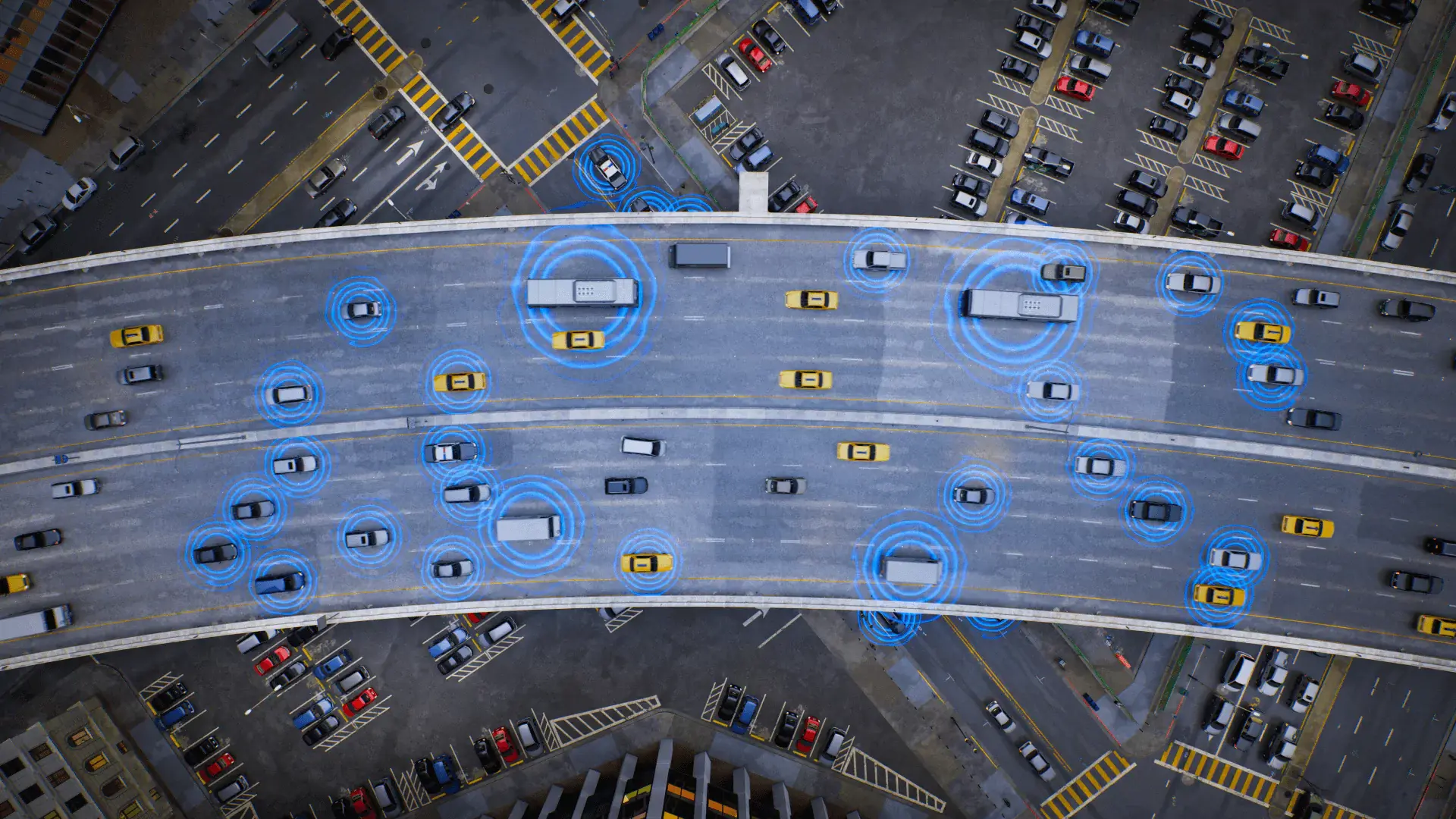
Live Track is an advanced web application ViitorCloud built to revolutionize IoT waste management. The platform uses real-time sensor data to automate waste logistics, optimize vehicle routes, and improve environmental sustainability. By connecting live sensors, Live Track tracks vehicle locations, manages waste containers and materials, and continuously monitors sensor data with QR management, sensor flexibility, and customizable notifications delivering end-to-end optimization that reduces CO2 emissions and operational costs.
The Challenge
The goal was a versatile platform that could interface with independent hardware manufacturers while intelligently analyzing real-time sensor data. That raised several technical problems. Sensor data integration had to give real-time tracking of waste levels and vehicle locations. Large volumes of sensor data had to be simplified and processed while addressing latency that could affect decisions. A flexible QR management system was needed to identify containers where sensors were unavailable. The platform needed customizable, threshold-based notifications, adaptability to multiple sensor types, and a dynamic design that could absorb future hardware upgrades without software rewrites.
The Solution
ViitorCloud developed a highly dynamic web application tailored to Live Track's needs:
-
IoT sensor integration: The platform interfaces with various IoT sensors using protocols like LoRaWAN and MQTT to monitor container waste levels and track vehicles in real time, adapting to data-lag scenarios by simplifying large data sets for faster decisions.
-
Dynamic data collection and simplification: A data-collector module processes and simplifies complex sensor streams in real time for accurate, rapid decisions without overwhelming the system.
-
Material and container management: Users create and manage containers, material types, and loading frequencies, flexibly handling organic, recyclable, and hazardous waste.
-
Custom QR code management: Where sensors are unavailable or faulty, QR scanning identifies containers and materials, ensuring continuity even with partial hardware.
-
Customizable notifications: Users define custom triggers based on waste levels, temperature, or container capacity for proactive responses.
-
Hardware independence and scalability: The architecture works across hardware versions and manufacturers and stays fully operational through future upgrades.
-
User access and customization: Role-based access control (RBAC), custom landing pages, and dynamic notification settings give users a secure, personalized experience.
The honest difficulty. The demanding part was building one platform that stays reliable across many sensor types and manufacturers and even keeps working with no sensors at all. Handling data lag and large real-time streams without slowing decisions, while keeping QR scanning as a genuine fallback, is what made Live Track dependable in messy, real-world waste management conditions.
Value Proposition
-
Hardware-agnostic operation: Works across sensor types and manufacturers, with QR scanning as a fallback.
-
Real-time, data-driven logistics: Simplified sensor streams support fast routing and collection decisions.
-
Sustainability and savings: Optimized routes and disposal cut operational cost and CO2 emissions.
The Results
The Live Track platform revolutionized waste management operations, delivering:
-
Operational efficiency: Streamlined logistics, reduced operational costs, and optimized waste collection through data-driven insights.
-
CO2 emission reductions: Optimized vehicle routes and disposal processes significantly lowered CO2 emissions.
-
Scalability and flexibility: A dynamic architecture that adapts to future hardware without software changes.
Conclusion
The Live Track IoT waste management system is a testament to ViitorCloud's expertise in IoT integration and scalable software design. It automates logistics, simplifies waste management, and contributes to a sustainable future by cutting costs and lowering CO2 emissions.
Building an IoT Platform That Must Work With Any Hardware?
If your platform has to talk to many sensors and manufacturers and keep running when hardware fails expert IoT sensor integration makes the difference. Talk to the ViitorCloud team or explore our system integration and modernization services.
Technology Stack
| Layer | Technology | Why it was chosen |
|---|---|---|
| Frontend | Angular, React, HTML, CSS | Builds responsive dashboards for tracking, QR management, and notifications |
| Backend | Node.js, Python | Handles sensor data processing, simplification, and business logic |
| Databases | PostgreSQL, MongoDB, InfluxDB | Relational, document, and time-series stores for mixed sensor and operational data |
| Sensor protocols | LoRaWAN, MQTT | Connect diverse IoT sensors for real-time fill-level and location monitoring |
| Infrastructure | Kubernetes, Docker, AWS CodePipeline, CodeBuild, EventBridge, SQS, SNS | Containerized, event-driven delivery for a scalable microservices platform |
Services
-
UI/UX Design
-
Web Development
-
Quality Assurance
-
Infrastructure Management
-
Real-Time Sensor Integration
-
Data and Analytics
Industry
-
Information Technology, Logistics
FAQs
What is Live Track IoT waste management platform??
Live Track is an IoT waste management software built by ViitorCloud. It uses live sensor data to automate waste logistics, optimize vehicle routes, manage containers and materials, and reduce operational costs and CO2 emissions.
How does Live Track work without sensors?
Who is Live Track built for?
What technology powers Live Track?
Related Case Studies

Healthcare App Development for Calopad Remote Physical Therapy

Wazir: Tenant-Based Project Management Software for Modern Teams
Have a query, an idea, or want to connect?
Fill out this form to drop us an email, and we will reach out to shape something extraordinary.