How AI-Powered Digital Experience Solutions are Redefining Customer Journeys in 2026

Summary

AI-powered digital experience solutions in 2026 utilize agentic AI workflows to execute autonomous tasks instead of merely responding to text prompts. These systems integrate Phygital UX and multi-modal digital experiences to bridge physical and digital touchpoints. Implementation requires a cloud-native AI infrastructure and hyper-personalization engines to deliver real-time, individualized customer outcomes across retail, healthcare, and logistics sectors. 

Introduction 

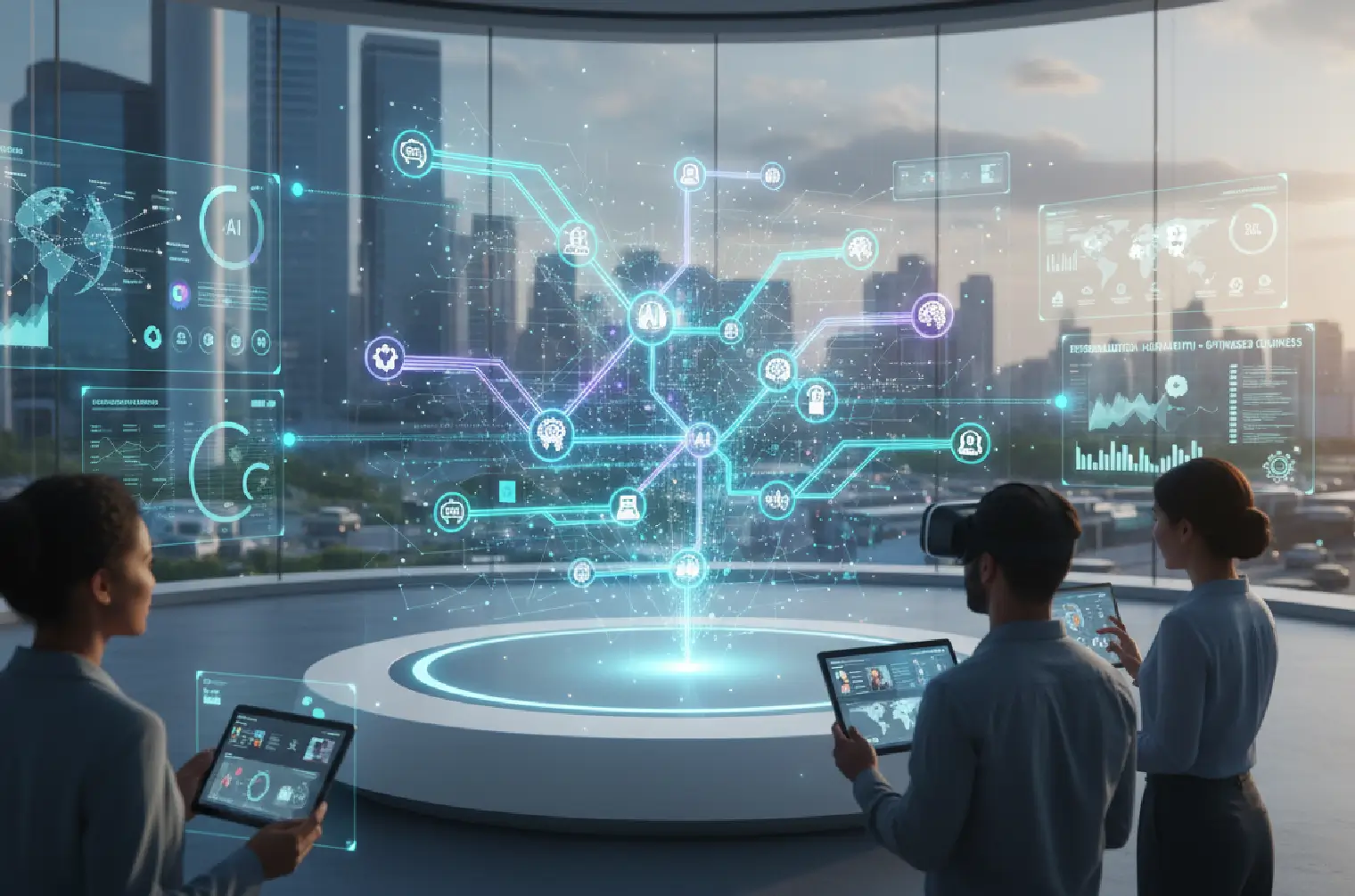
Digital interaction is changing from passive assistance to autonomous execution. In 2026, organizations are moving beyond basic chatbots to deploy AI-powered digital experience solutions that manage entire workflows. This shift involves the use of agentic AI workflows where software entities plan, use tools, and complete multi-step objectives without constant human intervention. For enterprises, this means a transition toward systems that do not just talk but perform. 

The Shift to Agentic AI Workflows 

The primary difference in 2026 is the emergence of agency. Traditional conversational AI required a user to provide a prompt for every single step. Modern AI-powered digital experience solutions now use agentic AI workflows to handle complex processes like supply chain rerouting or insurance claim processing. According to Gartner, 40% of enterprise applications will feature task-specific agents by the end of 2026. These agents operate within the software ecosystem to achieve specific business goals. 

Enterprises achieve this by integrating AI integration services that connect Large Action Models (LAMs) to internal databases. This connectivity allows agentic AI workflows to access real-time data and take actions such as updating a CRM or triggering a logistics dispatch. These AI-powered digital experience solutions reduce the manual workload for human operators by handling the “low-value” repetitive tasks. 

Redefine Customer Journeys with AI-Powered Digital Experience Solutions

Deliver intelligent, personalized, and seamless experiences across every touchpoint with AI-Powered Digital Experience Solutions.

Implement Phygital UX and Multi-modal Experiences 

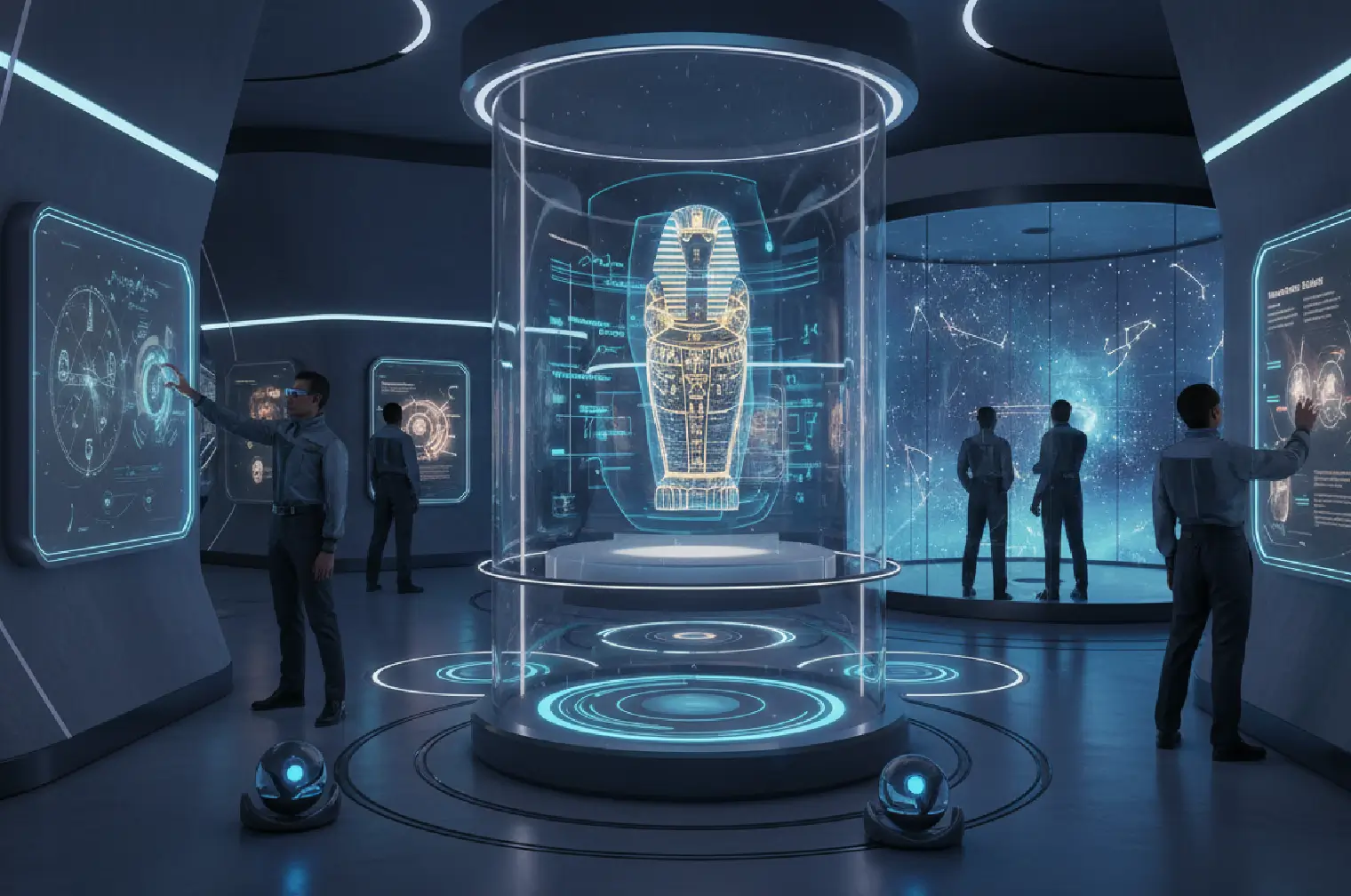
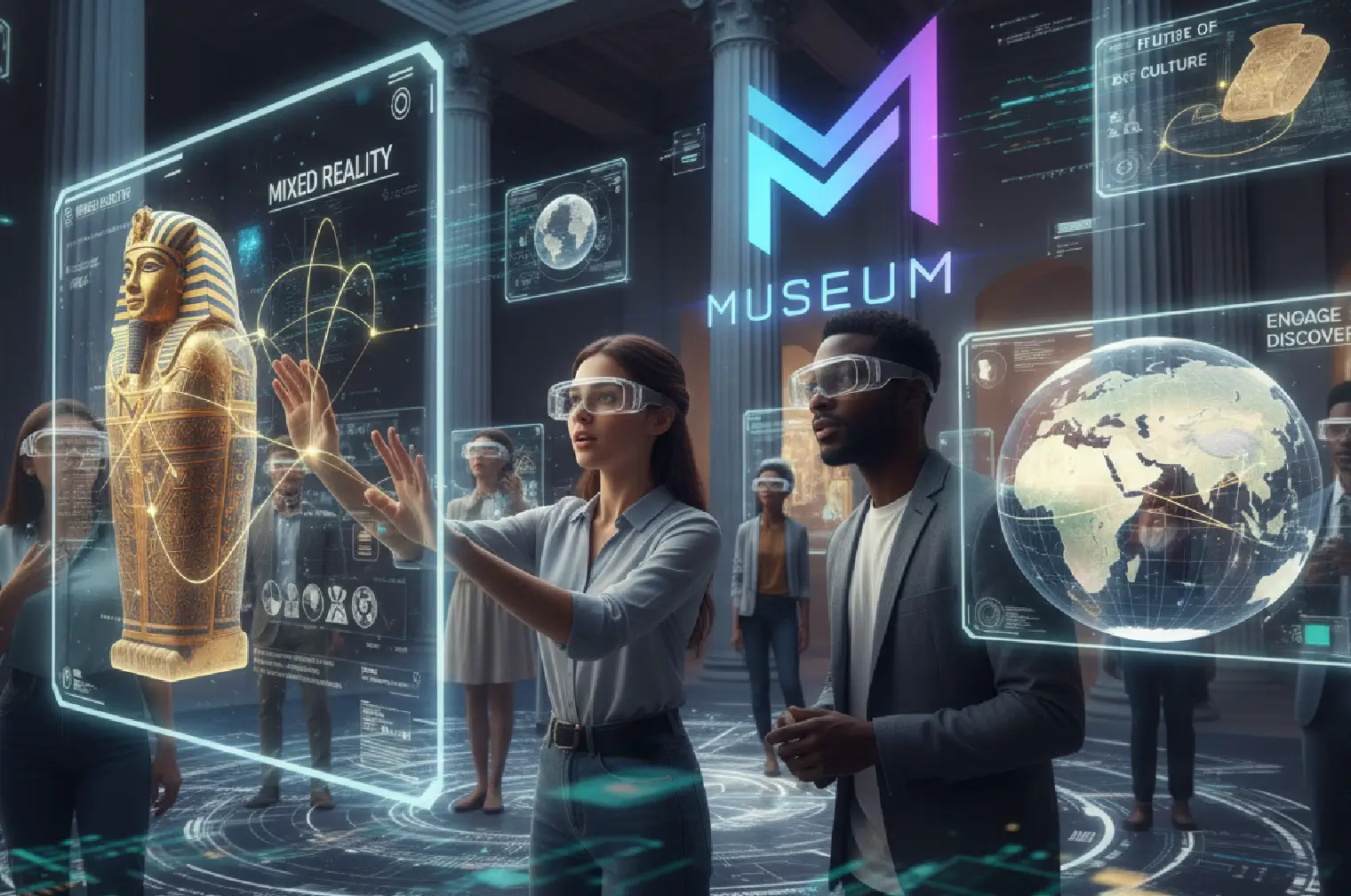
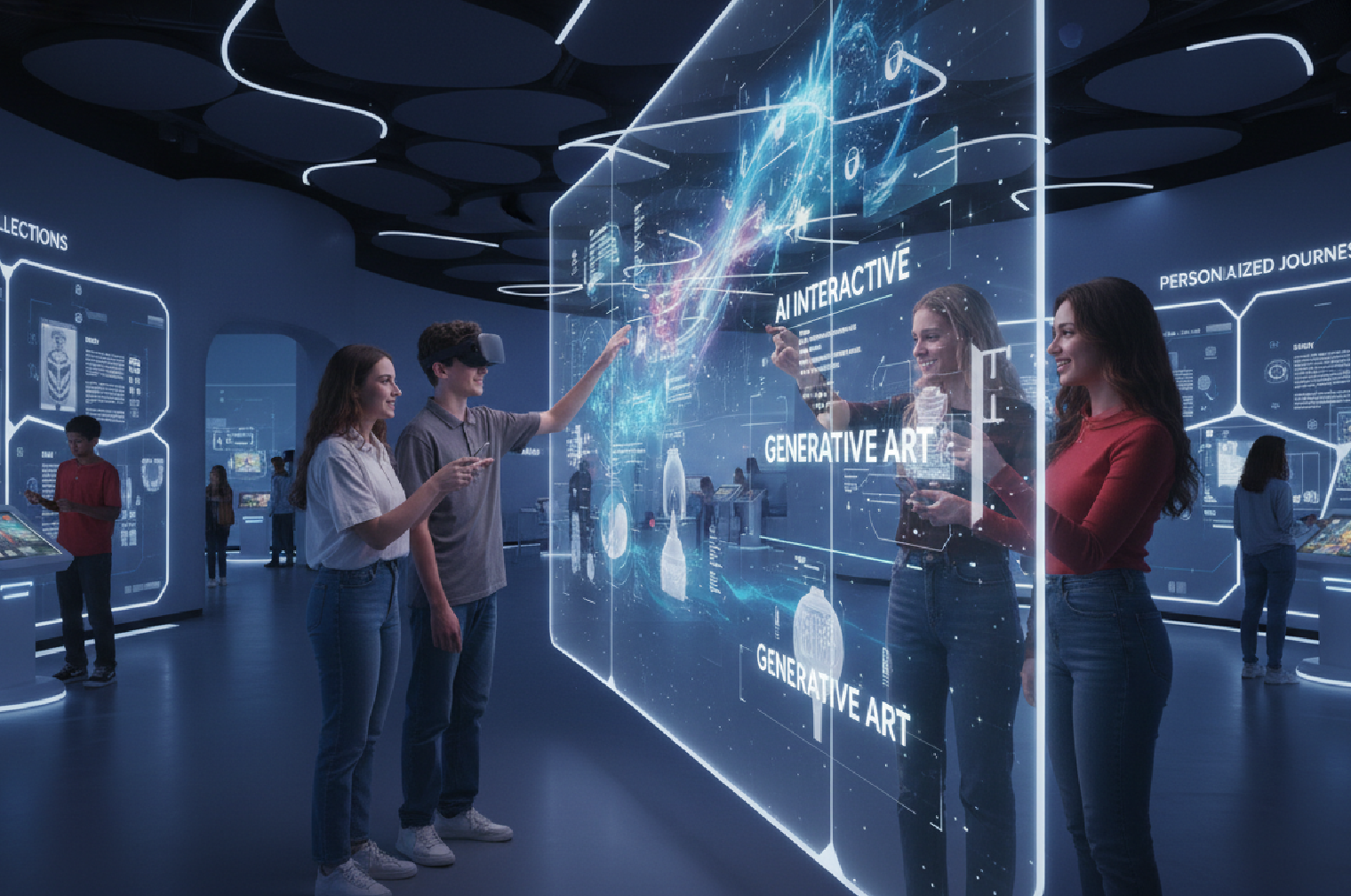
Digital experiences are no longer confined to 2D screens. The rise of Phygital UX—the blending of physical and digital environments—allows brands to interact with customers in the real world. By using AR/VR/MR development services, companies create multi-modal digital experiences where users interact via voice, gesture, and vision. 

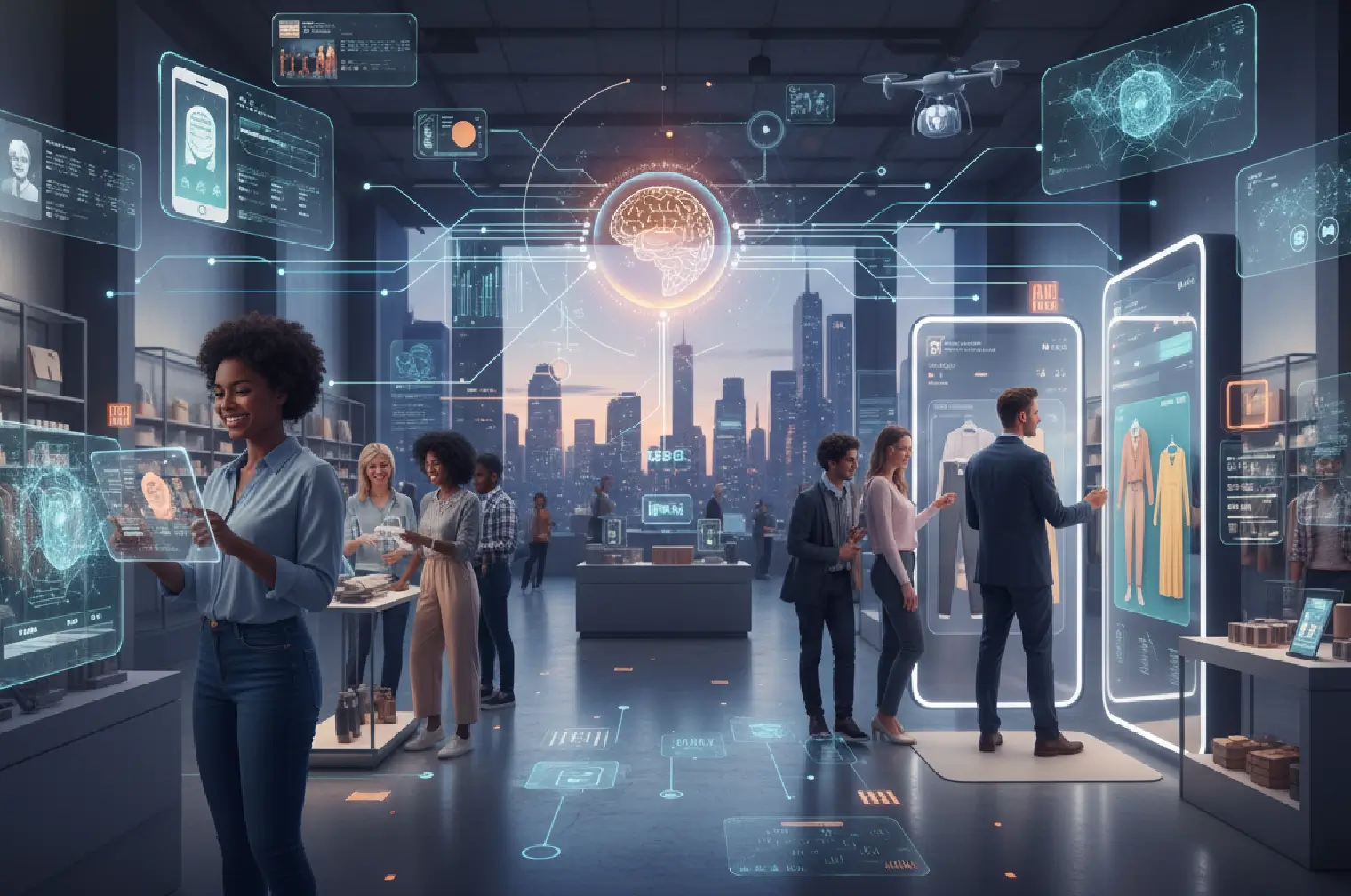
Phygital UX relies on computer vision to recognize physical objects or customer presence in a store. When a customer enters a retail space, AI-powered digital experience solutions recognize them and push individualized data to their mobile device or a smart mirror. These multi-modal digital experiences ensure that the interaction is seamless across different sensory inputs. For instance, a warehouse worker might use a voice command to query an agent while seeing the relevant data overlaid on their vision via AR glasses. 

In 2026, Phygital UX is a core component of modern digital experience consulting. It removes the friction between a digital intent and a physical action. Companies that deploy multi-modal digital experiences report higher engagement levels because the technology adapts to the user’s immediate physical context rather than forcing the user to adapt to a specific interface. 

The Infrastructure Backbone: Cloud-native AI 

Scaling these systems requires a robust technical foundation. A cloud-native AI infrastructure provides the necessary elasticity to handle the intensive computational demands of generative models and agentic reasoning. This infrastructure uses serverless computing and specialized GPU clusters to process agentic AI workflows at scale. 

A cloud-native AI infrastructure allows for “Agent Orchestration,” where multiple specialized agents collaborate on a single task. For example, a “Billing Agent” and a “Shipping Agent” work together within the same cloud consulting framework to resolve a customer’s order discrepancy. Without a cloud-native AI infrastructure, the latency involved in these interactions would make the experience unusable. 

Furthermore, the integration of hyper-personalization engines into this infrastructure ensures that every interaction is grounded in relevant user data. These hyper-personalization engines analyze historical behavior, real-time context, and predictive trends to tailor the digital journey.  

In 2026, hyper-personalization engines are not just for product recommendations; they determine the actual structure and tone of the multi-modal digital experiences provided to the user. 

Build Smarter Experiences Using AI-Powered Digital Experience Solutions

Transform engagement, improve conversions, and create future-ready journeys with AI-Powered Digital Experience Solutions.

Data-Driven Outcomes Across Industries 

The deployment of AI-powered digital experience solutions results in measurable business impact. McKinsey research indicates that agentic systems are most advanced in technology and healthcare sectors. 

Feature Legacy Digital Experience (Pre-2025) Agentic Digital Experience (2026) 
Primary Driver User Prompts (Reactive) Autonomous Goals (Proactive) 
UX Type Screen-based / Static Phygital UX / Generative 
Infrastructure Standard Cloud Hosting Cloud-native AI infrastructure 
Personalization Rule-based Segments Hyper-personalization engines 
Interaction Mode Single-mode (Text or Touch) Multi-modal digital experiences 

In retail, hyper-personalization engines drive a “Segment-of-One” strategy. Instead of broad categories, the AI-powered digital experience solutions create a unique storefront for every visitor. This is supported by multi-modal digital experiences where a user can search via an image or a voice description. The agentic AI workflows then manage the purchase, from inventory verification to delivery scheduling. 

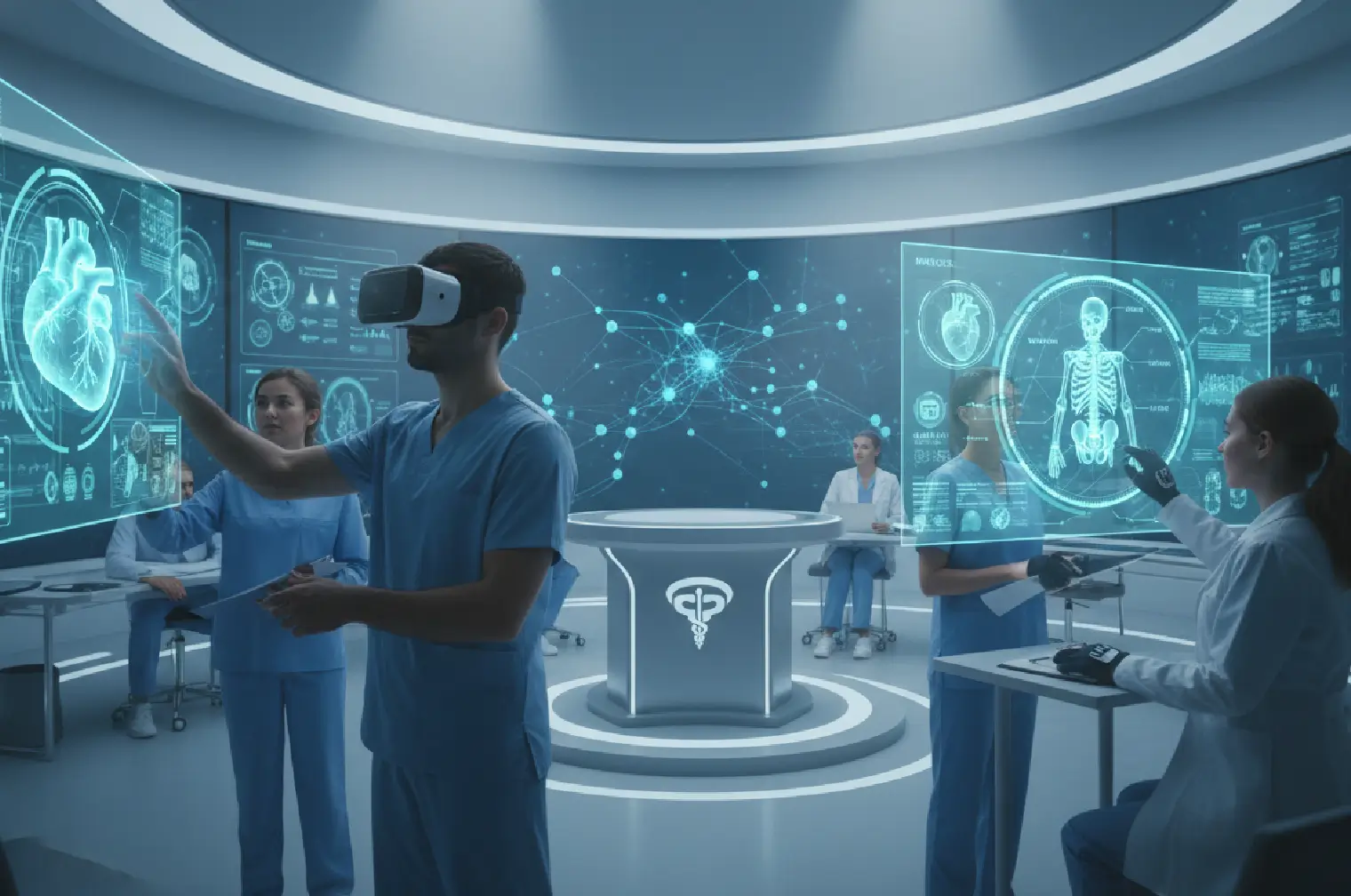
In healthcare, Phygital UX enables remote patient monitoring where agents analyze data from wearable devices. If a threshold is met, the agentic AI workflows autonomously book a follow-up appointment and update the electronic health record. This level of automation is only possible through a dedicated cloud-native AI infrastructure that ensures data security and low latency. 

ViitorCloud Is Your Implementation Partner 

ViitorCloud specializes in building AI-powered digital experience solutions that align with specific enterprise goals. Our approach involves setting up the cloud-native AI infrastructure required to host agentic coworkers and automated workflows. We focus on the practical application of AI-first software and platforms to solve complex integration challenges. 

By deploying hyper-personalization engines, we help businesses increase conversion rates and customer loyalty. Our expertise in Phygital UX ensures that your digital products are not limited to traditional screens. We design multi-modal digital experiences that incorporate AR, VR, and voice to reach users wherever they are. 

The transition to agentic AI workflows is an architectural shift. ViitorCloud provides the engineering expertise to move from experimental pilots to production-grade systems. We ensure that your AI-powered digital experience solutions are auditable, secure, and capable of delivering autonomous value. 

Scale Engagement with AI-Powered Digital Experience Solutions

Enable data-driven, adaptive customer journeys in 2026 with AI-Powered Digital Experience Solutions built for growth.

Conclusion 

The era of reactive digital tools is ending. In 2026, AI-powered digital experience solutions are the standard for enterprises seeking operational efficiency and superior customer engagement. By combining agentic AI workflows with a solid cloud-native AI infrastructure, organizations can automate complex tasks. The use of Phygital UX and multi-modal digital experiences creates a more intuitive and immersive brand presence. Finally, hyper-personalization engines ensure that every digital touchpoint is relevant to the individual user. 

Frequently Asked Questions 

1. What defines AI-powered digital experience solutions in 2026?  

These solutions are integrated systems that use autonomous agents to manage customer journeys across physical and digital channels. They rely on real-time data and multi-modal digital experiences to provide proactive service. 

2. How do agentic AI workflows differ from traditional automation?  

Traditional automation follows fixed “if-then” rules. Agentic AI workflows use reasoning to plan and execute multi-step tasks. They can adapt to new information and use various digital tools to reach a defined goal. 

3. Why is a cloud-native AI infrastructure necessary?  

These systems require high-performance computing and real-time data processing. A cloud-native AI infrastructure provides the scalability and low latency needed to run complex agentic AI workflows without performance degradation. 

4. How does Phygital UX benefit the retail industry?  

Phygital UX merges online data with in-store experiences. It allows retailers to use hyper-personalization engines to recognize customers physically and provide them with digital assistance, such as AR-based product information or automated checkout. 

5. Can multi-modal digital experiences improve accessibility?  

Yes. By supporting voice, touch, gesture, and visual inputs, these experiences allow users to interact with technology in the way that best suits their needs or environment. 

ViitorCloud Partners with CSMVS to Digitize the “Networks of the Past”

The Chhatrapati Shivaji Maharaj Vastu Sangrahalaya (CSMVS) in Mumbai has stood as a beacon of India’s cultural heritage since opening its doors to the public in 1922.  

For over a century, this premier institution has preserved the artistic and historical legacy of the subcontinent.  

However, in the 21st century, the mandate of a museum extends beyond preservation; it is about storytelling, engagement, and making the distant past palpable for a modern audience. 

About “Networks of the Past” at CSMVS 

On December 12, 2025, CSMVS opened a landmark exhibition titled Networks of the Past: A Study Gallery of India and the Ancient World,” which positions India’s ancient history in conversation with the wider world, tracing connections through trade, art, ideas, and belief systems from the Harappan (Sindhu–Sarasvati) civilisation through to the Gupta period.  

The gallery narrative, hosted in the museum’s main hall, is built around exchange. It uses over 250 archaeological objects to show how civilizations developed through sustained contact rather than isolated progress.  

CSMVS describes it as a global co-curation that brings together these 250 artifacts from six international and eight Indian museums under one roof, developed through a “Sharing Collections Program” that has been four years in the making.  

The central theme of this event is cultural exchange, a testament to how ideas, goods, and beliefs traversed borders long before the modern era of globalization. 

ViitorCloud’s contribution to digital experiences for CSMVS 

To bring these ancient narratives to life, CSMVS partnered with ViitorCloud to design and deploy a suite of immersive digital experience solutions.  

As a trusted technology partner, our goal was to create digital interventions that deepen visitor interpretation without overshadowing the magnificent physical objects on display.  

By blending historical scholarship with intuitive technology, we helped transform passive viewing into an interactive experience. 

Here is an in-depth look at the four distinct digital solutions ViitorCloud created for this exhibition: 

1. The Rosetta Stone Experience 

One of the exhibition’s centerpieces is a part of the Rosetta Stone, brought in from the British Museum. This artifact is historically monumental, as it provided the key to deciphering Egyptian hieroglyphs.  

However, for a typical visitor, the dense inscriptions on the stone can be difficult to interpret with the naked eye. 

To bridge this gap, ViitorCloud developed a comprehensive interactive app displayed on a digital kiosk positioned directly in front of the artifact.  

This solution transforms the stone from a static object into a dynamic learning tool. 

  • Interactive Deciphering: The application features a high-fidelity digital twin of the stone. Visitors can touch specific sections of the digital stone (whether the Hieroglyphic, Demotic, or Ancient Greek scripts) and the screen immediately provides a detailed explanation of that text. 
  • Contextual Storytelling: Beyond simple translation, the experience guides users through the history of the stone’s discovery and the scholarly race to crack its code. It highlights the roles of figures like Thomas Young and Jean-François Champollion, making the intellectual history as gripping as the artifact itself. 
  • Gamified Learning: To ensure the experience resonates with younger audiences, we integrated a “Decoding Hieroglyphs” feature. This interactive segment invites visitors to trace hieroglyphic signs, scoring their accuracy and revealing translations, effectively allowing them to step into the shoes of an ancient scribe. 

2. Trade Links in the Ancient World 

The ancient world was far more globalized than many realize. To visualize this, ViitorCloud created the “Trade Links in the Ancient World” solution.  

This interactive map serves as a digital atlas of antiquity, illustrating the complex web of overland and maritime routes that connected civilizations across continents. 

Designed as an interactive table, this solution allows visitors to explore the macro-level connectivity of the past: 

  • Route Exploration: Visitors can tap on major trade networks, such as the Silk Road, to see them animate across the terrain. The map visualizes how these routes connected regions as diverse as China, India, Mesopotamia, and Rome. 
  • Commodity Tracking: The interactive goes beyond geography to economics. By selecting specific routes, users can discover which goods were traded, from silk and spices to precious metals. The interface allows visitors to toggle between import and export views, helping them understand the flow of resources that powered ancient economies. 
  • Archaeological Evidence: To ground these digital routes in reality, the map is linked to archaeological data. When a user investigates a specific trade good, the map reveals locations where physical evidence of that trade has been found, creating a direct link between the map and the artifacts in the room. 

3. Trade Links During the Harappan Period 

While the general trade map offers a global overview, the exhibition required a specialized focus on the Indus Valley Civilization.  

For this, we developed a dual-screen installation titled “Trade Links during the Harappan Period.” 

This solution utilizes a unique “book-type” kiosk synchronized with a large wall-mounted display to tell a specific story about Harappan commerce: 

  • The Material Kiosk: The lower screen, designed as an accessible kiosk, presents visitors with seven key materials that defined the Harappan era, such as carnelian, copper, and lapis lazuli. This interface encourages tactile exploration, inviting visitors to “pick” a material that interests them. 
  • The Global Wall: Once a visitor selects a material on the kiosk, the larger wall screen instantly responds. It projects a dynamic global map that traces the specific journey of that material. For instance, if a visitor selects Carnelian, the wall displays the mining sources in regions like Gujarat and traces the trade routes that carried these beads to distant lands like Mesopotamia. 
  • Visualizing Connections: This synchronized dual-screen approach allows visitors to understand the scale of the Harappan enterprise. It visually demonstrates the “export” and “import” logic of the time, showing how raw materials and finished crafts moved between the Sindhu-Saraswati civilization and its trading partners in Dilmun (Bahrain) and Magan (Oman). 

4. The Digital Feedback Kiosk 

Museums today thrive on dialogue. Understanding that visitor feedback is crucial for the evolution of cultural spaces, ViitorCloud implemented a Digital Feedback Kiosk

Moving away from cumbersome paper forms, this digital solution offers a sleek, user-friendly interface that encourages participation. 

  • Intuitive Design: The kiosk presents a set of carefully curated questions, ranging from demographic details to qualitative questions about the exhibition experience. The interface uses dropdowns and simple text inputs to minimize friction, ensuring visitors can share their thoughts quickly and easily. 
  • Meaningful Engagement: One of the key features is a prompt asking, “Does anything from ancient times remind you of your life today?” This question invites deep reflection, bridging the gap between the artifacts and the visitor’s personal reality. The system also supports localized keyboards, ensuring accessibility for a diverse range of visitors. 

The bottom line 

The “Networks of the Past” exhibition at CSMVS is more than a display of objects. We believe it is a narrative of human connection that spans millennia.  

ViitorCloud’s role in this collaboration was to translate scholarship-led themes (writing, routes, materials, and evidence) into interactive experiences that support curiosity, deepen learning, and keep the artefacts at the centre of attention. 

By integrating technologies like interactive mapping, synchronized dual-screen displays, and gamified learning, we have helped CSMVS reimagine how audiences engage with history.  

Our solutions ensure that while the objects may be ancient, the experience of discovering them is distinctly modern. 

If you are shaping a museum, gallery, or cultural project, connect with ViitorCloud. Let us help you co-create meaningful digital narratives that honor your collections and captivate your audiences. 

Check our more case studies here.

How to Improve Your Museum’s Digital Experience in 2026

Museums should prioritize digital experience in 2026 because visitors increasingly compare you with high‑production digital attractions and on‑demand content, not with other museums.

At the same time, more than three‑quarters of institutions already use analytics, and those that go further with immersive tools report attendance growth of up to 170%, showing clear upside for leaders who improve the museum’s digital experience strategically.

Visitors describe classic pain points very consistently: fragmented ticketing and membership journeys, static labels that do not adapt to their interests, inaccessible content for people with different abilities, and digital tools that feel like afterthoughts instead of part of the core narrative.

When museum visitor experience technology is poorly integrated, guests juggle multiple apps, QR codes, and underused kiosks, while your team gets data that is siloed and hard to act on. A well‑designed museum’s digital experience strategy flips this by making each interaction (before, during, and after the visit) feel connected and meaningful.

How does a strong museum’s digital experience work in 2026?

A solid museum’s digital experience is built around a few core components that work together rather than as separate projects.

Typically, successful institutions focus on:

  • A unified visitor identity spanning web, app, onsite systems, and membership, so every interaction enriches a single profile you can use for personalization and insight.
  • A content layer that supports rich media, multilingual narratives, and adaptive storytelling for kids, experts, schools, and remote audiences alike.
  • Museums use visitor experience technology such as mobile guides, location‑aware audio, AR overlays, and AI‑powered recommendations to make exhibits feel participatory instead of passive.
  • An omnichannel engagement model that connects in‑gallery tools with virtual tours, online programs, and social communities, enabling truly hybrid digital museum experiences.
  • A continuous analytics and experimentation loop, where your team uses behavior data, dwell time, and feedback to refine layouts, content, and digital touchpoints.

From an implementation standpoint, leading museums usually start with journey mapping and a north‑star vision, then phase execution to deliver quick wins, often mobile or web, before layering in spatial technologies like AR, VR, and digital twins.

This approach is particularly powerful when supported by partners like ViitorCloud, who bring experience in CX strategy, XR, AI, and IoT while tailoring the roadmap to local realities in India, the Middle East, Europe, and beyond.

Check: Transform Your Customer Experience: The Tangible Benefits of Professional Digital Experience Services

Enhance Your Museum’s Digital Experience

Bring visitors closer to culture with ViitorCloud’s tailored Digital Experience Solutions.

Which digital experience features should come first?

Below is a pragmatic view of what to prioritize when you improve a museum’s digital experience in 2026.

Digital Experience FeatureBenefitImplementation PriorityDifficulty Score (1–5)
Unified ticketing & membership accountReduces label clutter, supports multilanguage and accessibility, and enables real‑time updates.High3
Mobile web and app guide with rich mediaReduces label clutter, supports multilanguage and accessibility, enables real‑time updates.High2
Location‑aware indoor navigation & audioIncreases dwell time and satisfaction through context‑aware storytelling.High4
AI‑driven personalized recommendationsSuggests routes, exhibits, and content tailored to interests and time constraints.Medium4
AR overlays on key exhibitsMakes invisible stories visible, particularly effective for younger and remote audiences.Medium3
Virtual tours and livestreamed programsExtends reach globally and supports hybrid digital museum experiences beyond opening hours.Medium2
Digital twins of galleriesSupports conservation, planning, and remote curation while enabling immersive storytelling.Low–Medium5

By sequencing in this way, a museum can build a robust digital experience foundation for 2026 quickly, then evolve toward more advanced spatial and AI capabilities without overwhelming teams or budgets.

Read: Immersive Experience Centers: Why Museums Should Adopt Mixed Reality to Stay Relevant

What results can museum visitor experience technology deliver in 2026?

When museum visitor experience technology is thoughtfully deployed, institutions consistently see gains in immersion, presence, and engagement, which in turn drive satisfaction and learning outcomes.

Studies show that interactive and immersive technologies increase perceived value, deepen emotional connection, and positively influence visitors’ intention to return or recommend the museum. Coupled with sector‑wide data on attendance increases of up to 170% in museums that lean into immersive and data‑driven tools, the case for investment in 2026 is compelling.

Even without a named case study, it is realistic for a mid‑sized museum that chooses to improve its museum’s digital experience to aim for measurable outcomes such as 20–40% longer dwell time in priority galleries, 10–20% uplift in membership conversion from digital touchpoints, and higher repeat‑visit rates within 12–18 months.

Hybrid programs that blend onsite visits with virtual content often see higher participation from schools and international audiences, especially when hybrid digital museum experiences are promoted as ongoing “series” instead of one‑off experiments.

For leadership, the real advantage is that every interaction—onsite or remote—becomes part of a measurable, improvable museum’s digital experience 2026 strategy.

Transform Visitor Engagement in 2026

Use innovative Digital Experience Solutions to make every museum interaction meaningful and immersive.

How does ViitorCloud help implement hybrid digital museum experiences?

ViitorCloud’s approach starts with collaborative discovery, where your teams and ours map end‑to‑end journeys from first search to post‑visit follow‑up, identifying high‑impact opportunities to improve the museum’s digital experience instead of just adding more screens.

This includes workshops with curators, educators, operations, and IT to align narratives, operational constraints, and data requirements, ensuring museum visitor experience technology supports people, not the other way around.

From there, ViitorCloud typically co‑creates a CX blueprint for hybrid digital museum experiences, defining how web, mobile, XR, and in‑gallery tools will work together across onsite and remote contexts. Prototyping often involves rapid experiments with AR, VR, spatial computing, and IoT beacons in limited zones, so stakeholders can see, test, and refine the museum’s digital experience before full‑scale rollout.

Implementation is phased through an executable roadmap that includes technical architecture, vendor coordination, content workflows, and staff upskilling, followed by continuous optimization based on analytics and qualitative feedback.

Contact our team at [email protected] to book a meeting to understand what digital experience strategies can work for your museum in 2026 and beyond.

How can museums evaluate vendors and technologies effectively in 2026?

Choosing the right ecosystem of partners is as important as the tools themselves when you improve the museum’s digital experience. The matrix below provides a directional view of which solution types fit which needs, so your team can evaluate options more confidently.

Solution TypeBest ForProsConsImplementation ComplexityIdeal Use‑Case
CX & digital strategy partner (e.g., ViitorCloud)A holistic view, aligns tech with narrative and operations.A holistic view aligns tech with narrative and operations.Requires time from leadership; not a “quick fix”.Medium–HighMulti‑year digital transformation, hybrid model design.
Experience‑design / XR studioHigh‑impact AR/VR exhibits and hybrid digital museum experiencesStrong creative and storytelling; flagship moments.May underweight data, integration, or scalability.MediumSignature immersive gallery or traveling digital exhibition.
Faster time‑to‑value, proven templates, and analytics.Rapid deployment of museum visitor experience technologyRobust integration with POS, CRM, and access control.Limited customization; platform roadmap controls features.Low–MediumMobile guide, timed entry, self‑guided tours, basic personalization.
Systems integrator / IT servicesBack‑of‑house systems and data plumbingEnd‑to‑end museums’ digital experience 2026 roadmapLess focus on UX and storytelling.Medium–HighConnecting ticketing, membership, LMS, and analytics into a single spine.
In‑house digital teamOngoing optimization and content evolutionDeep institutional knowledge; long‑term ownership.Needs sustained investment and skill development.VariableIterative improvement of the museum’s digital experience in 2026 after initial launch.

By combining a strategy partner like ViitorCloud with specialized XR studios, SaaS platforms, and strong internal teams, museums can assemble a flexible ecosystem that supports both today’s goals and tomorrow’s hybrid digital museum experiences.

Modernize Your Museum’s Digital Experience

Unlock smarter storytelling and seamless visitor journeys with our expert Digital Experience Solutions.

Frequently Asked Questions

Smaller museums can improve their museum’s digital experience by starting with a mobile‑friendly web, clear online ticketing, and a simple, browser‑based guide instead of a full custom app. Low‑cost museum visitor experience technology like QR‑linked audio, curated playlists, and social‑media‑ready content can still create hybrid digital museum experiences that extend beyond the visit.

First, map your key visitor journeys and identify 3–5 high‑friction points such as confusing entry, poor wayfinding, or inaccessible content. Second, prioritize quick‑win technologies, often mobile and web, that remove those frictions and support a cohesive museum’s digital experience for 2026. Third, set up basic analytics and feedback loops so your team can see how the museum visitor experience technology is performing and iterate quickly.

Evidence so far suggests that hybrid digital museum experiences do not cannibalize visits; they tend to deepen interest and widen audiences. Virtual and digital touchpoints become feeders into the physical museum by allowing people to preview content, plan visits, and stay connected between trips, strengthening the overall museum’s digital experience.

Core metrics include dwell time in key galleries, app or guide adoption, repeat‑visit and membership conversion, learning or satisfaction scores, and engagement with remote programs. As your museum visitor experience technology matures, you can track how specific digital features influence cross‑selling, donations, and long‑term relationships across hybrid digital museum experiences.

ViitorCloud brings cross‑industry expertise in CX, AI, XR, spatial computing, and IoT, combined with an understanding of cultural‑sector constraints and opportunities in regions like Ahmedabad, wider India, and global hubs. The team focuses on designing the museum’s digital experience 2026 solutions that are technically robust, operationally realistic, and future‑ready, so your investment in museum visitor experience technology compounds over time rather than becoming another legacy system.

From Holders of Objects to Story Platforms: Using AI to Personalize Museum Experiences

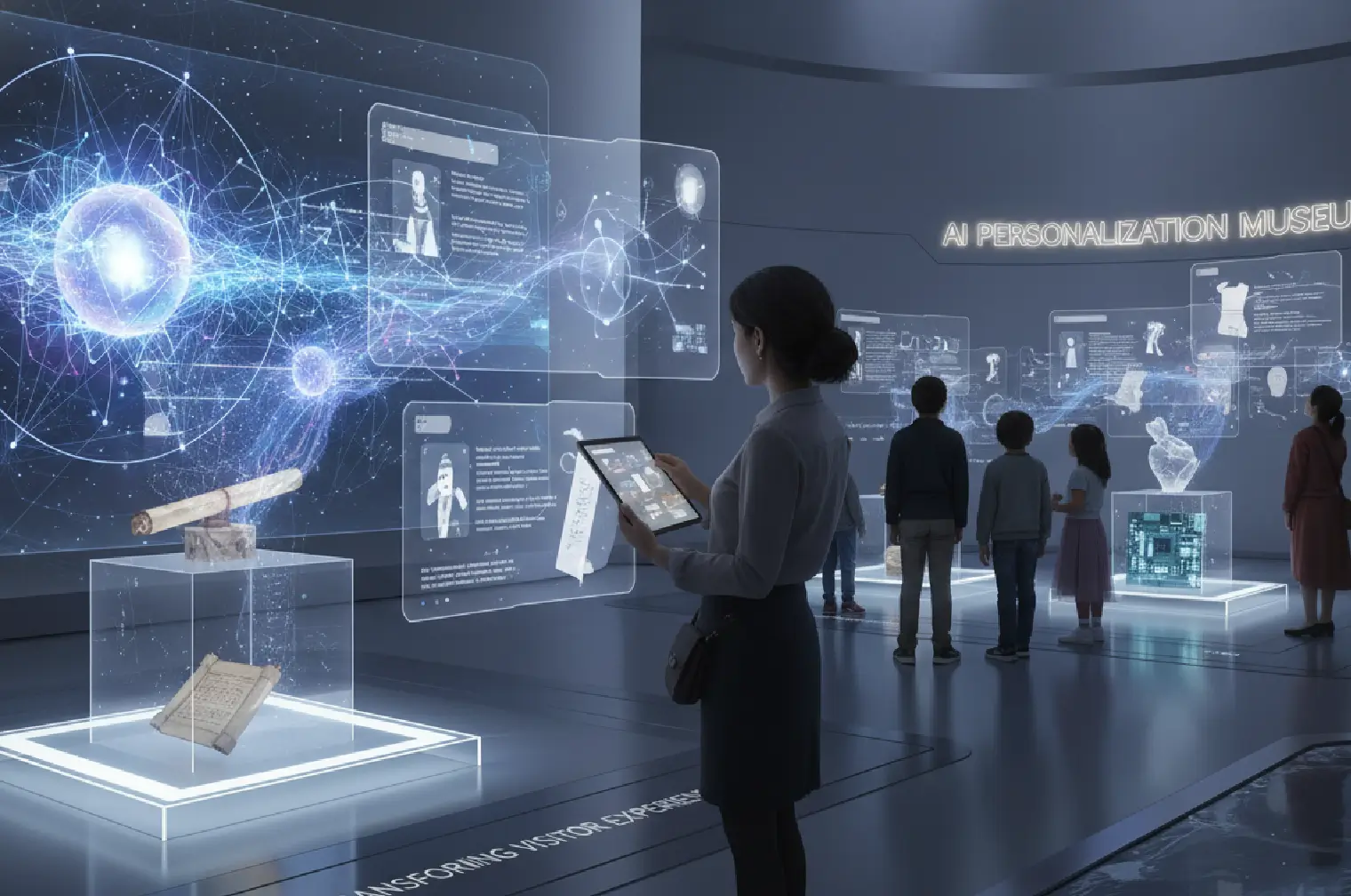
Museums can use AI personalization museum strategies—recommendation engines, conversational guides, and adaptive audio guide platforms—to tailor every visit based on interests, pace, and behavior, while visitor analytics for museums track dwell time, repeat visits, and membership conversions to prove ROI. Institutions working this way report more engaged visitors, better crowd flow, and clearer links between digital experience investments and revenue or loyalty outcomes. 

Why Are Museums Moving from Objects to Stories with AI Personalization? 

Museums are shifting from “holders of objects” to “platforms for stories” because audiences, especially younger, mobile‑first visitors, expect personalized, interactive journeys instead of static labels and linear tours.  

At the same time, boards and funders want clear evidence that new digital experience solutions for museums drive visits, learning, accessibility, and financial sustainability. 

Personalization bridges this gap by using data and AI to personalize museum experiences around interests, prior knowledge, time available, and access needs, so every visit feels relevant rather than generic.  

Leading institutions now use AI-powered museum platforms to tailor routes, stories, and formats; this creates deeper engagement while generating rich behavioral data that feeds continuous improvement. 

How Can AI Recommendation Engines and Adaptive Guides Personalize Visitor Journeys? 

AI recommendation engines learn from visitor profiles, behavior, and context (time, crowding, device) to suggest exhibits, themes, or routes in real time, much like a streaming platform but tuned for culture rather than content bingeing.  

For an AI personalization museum strategy, these engines typically combine explicit preferences (topics, artists, visit length) with implicit signals (what visitors tap, how long they stay, which items they skip) to deliver curated journeys that feel like a knowledgeable companion. 

Here’s how to decide your first AI recommendations: 

  1. Define a pilot scope, such as one gallery or a “first‑time family” segment, and decide how you want to personalize museum experiences (interest-based routes, accessibility layers, or language preferences). 
  1. Structure your collection metadata so objects can be clustered by theme, difficulty, popularity, and accessibility attributes, which allows the recommendation engine to assemble coherent tours. 
  1. Integrate the engine into your app or web experience so visitors answer a few questions or sign in, then receive personalized paths and content cards that adapt as they move. 
  1. Feed visitor analytics for museums—dwell time, completion rates, skipped suggestions—back into the model so recommendations improve with every visit. 

Create Personalized Museum Journeys with AI

Bring exhibits to life using AI Personalization Museum strategies designed to engage every visitor.

How Does ViitorCloud Help Here 

ViitorCloud designs and implements digital experience solutions for museums that combine recommendation engines, mobile apps, and CMS integrations into cohesive AI-powered museum platforms. Our team works end‑to‑end, from defining personalization use cases and data models to building scalable APIs and admin tools, so curators can easily configure rules, content variants, and AI models without relying on constant vendor intervention. 

Check: Digital Experience Service: Accessibility in Modern Museums 

How Do Conversational Guides and Adaptive Audio Tours Boost Engagement and Data? 

AI conversational guides act as on‑device or kiosk-based companions that recognize artworks, answer questions, summarize background, and suggest “next best exhibits,” helping personalize museum experiences in natural language instead of menu trees. They can also capture anonymous questions and behavior, feeding visitor analytics for museums on what confuses, fascinates, or overwhelms guests. 

An adaptive audio guide goes beyond linear tracks by tuning narration length, difficulty, and pace based on how quickly a visitor moves, how often they pause, and the type of content they choose. Research prototypes already use machine learning to detect engagement and adapt audio accordingly, which can improve narrative completion rates and perceived learning without overwhelming visitors. 

How Do Traditional and Adaptive Audio Guides Compare? 

Aspect Traditional audio guide AI‑driven adaptive audio guide 
Narrative structure Fixed sequence and duration, same for every visitor Dynamically adjusts length, order, and depth based on behavior and preferences 
Personalization level Basic language choice, sometimes a few tour themes Full AI personalization museum journeys tuned to pace, interest, accessibility, and repeat visits 
Interactivity One‑way playback with minimal branching Conversational, supports Q&A, branching stories, and surprise recommendations 
Analytics Limited device checkout counts, little behavioral insight Rich visitor analytics for museums: dwell time, narrative completion, content drop‑offs, sentiment 
Impact on CX Helpful but generic; easy to ignore or abandon Feels like a live, responsive guide that keeps visitors oriented and emotionally engaged 
Traditional Audio Guide vs. AI‑Driven Adaptive Audio Guides

ViitorCloud can architect adaptive audio guide platforms that integrate computer vision, natural language interfaces, and multilingual narration engines, while exposing dashboards for curators to adjust tone, complexity, and learning goals. By connecting these guides to wider digital experience solutions for museums, institutions get a unified view of journeys across app, web, gallery media, and post‑visit follow‑ups. 

Elevate Visitor Engagement with AI-Powered Museums

Transform traditional displays into immersive story platforms with our AI-Powered Museums solutions.

How Should Museums Measure ROI And Build an Implementation and Vendor Strategy For AI‑Powered Museums? 

To demonstrate the value of AI-powered museums, analytics must be baked in from day one rather than added as an afterthought. Start by defining a measurement framework that covers both experience quality and business outcomes: 

  • Repeat visits and membership conversion: Track how often personalized visitors return and how many convert into members or donors after using recommendation engines or an adaptive audio guide. 
  • Dwell time and narrative completion: Use sensors or app events to monitor how long people stay at exhibits and what percentage finish recommended or audio‑guided stories, then tune content where engagement drops. 
  • Exhibit heatmaps and flow: Apply visitor analytics for museums to visualize crowd density and routes, optimizing signage, staffing, and recommendations to avoid bottlenecks and spotlight under‑visited objects. 
  • Satisfaction and qualitative feedback: Combine star ratings, short in‑app surveys, and open feedback with behavioral data so you can link specific features of your AI personalization museum stack to perceived value. 

A Practical Implementation Roadmap  

A realistic roadmap to AI-powered museums is iterative and evidence‑driven rather than a single “big bang” transformation.

A proven pattern looks like this: 

  1. Audit the visitor experience: Map journeys across website, on‑site, and post‑visit touchpoints to identify friction (long queues, confusing wayfinding, content overload) and opportunities where digital experience solutions for museums can help. 
  1. Prioritize AI use cases: Select a small number of high‑impact scenarios—such as interest‑based routes, multilingual adaptive audio guide, or AI chat in your app—aligned with mission and KPIs. 
  1. Assess data readiness: Standardize collection metadata, visitor segments, and consent policies, and ensure you can safely capture clickstreams, sensor data, and content variants needed to personalize museum experiences. 
  1. Select a vendor and architecture: Choose partners who can integrate AI recommendation, content management, and visitor analytics for museums into one extensible platform rather than siloed pilots. 
  1. Deploy a focused pilot: Launch in one gallery or audience segment, with clear success metrics (e.g., +15% dwell time, higher narrative completion, or better membership conversion from personalized journeys). 
  1. Scale and institutionalize: Once KPIs are met, expand across collections, add new AI features, and embed analytics reviews into curatorial, marketing, and operations routines for a mature AI personalization museum practice. 

How Should You Evaluate Vendors for Digital Experience Solutions? 

A structured vendor matrix helps CX and digital leaders compare digital experience solutions for museums on more than just price.

Use criteria like these and score each option:

Evaluation area What to ask the vendor? What “good” looks like for AI-powered museums 
AI capabilities Which models power recommendations, search, and adaptive audio guide personalization, and how are they trained and tuned? Proven recommendation and NLP stack, configurable rules, and transparent model governance aligned with museum ethics. 
Integration with CMS/LMS How does your platform connect to our collection management, DAM, learning systems, and ticketing? Robust APIs, connectors, and sync tools that minimize manual work and let curators manage content once. 
Analytics depth What visitor analytics for museums do you provide out of the box (dwell time, heatmaps, funnels, cohorts)? End‑to‑end journey analytics with clear dashboards, export options, and privacy controls. 
Cost and ownership How are licenses, cloud costs, and support structured, and who owns models and data? Predictable TCO, no lock‑in for content and data, and flexible tiers for institutions of different sizes. 
Customization How far can we tailor UX, rules, and AI behavior without custom coding every time? Configurable templates and workflows designed for museum teams, not just generic retailers or media. 
Speed of deployment How long from signed contract to first live pilot, and what are typical museum timelines? Weeks, not years, to get a meaningful pilot running with measurable KPIs. 
Support and security What ongoing training, monitoring, uptime guarantees, and compliance frameworks do you offer? Dedicated support, strong security posture, and clear playbooks for ethical AI and data governance. 
Evaluate Vendors for Digital Experience Solutions

ViitorCloud’s museum practice aligns with this matrix by offering AI consulting, UX, engineering, and analytics as one stack, reducing the friction typically seen when multiple vendors are stitched together. 

Reimagine Visitor Experiences with AI

Use our AI-Powered Digital Experience Solutions to craft interactive, story-rich museum experiences.

ViitorCloud Is Already Powering Personalized Museum Experiences  

ViitorCloud has delivered interactive museum solutions such as AI‑driven digital greeting experiences and immersive LED‑based exhibit interfaces that enable visitors to generate personalized content and explore digital collections fluidly.  

These engagements demonstrated how intelligent content management and real‑time adaptation can modernize institutions while respecting conservation and accessibility requirements. 

Check our success stories here!

Building on this foundation, ViitorCloud can implement end‑to‑end digital experience solutions for museums that include adaptive audio guide platforms, personalization engines, and deep visitor analytics for museums, all orchestrated as AI-powered museum ecosystems.  

Our approach is to co‑design with curators and CX leaders, prototype quickly, prove value with data, and then scale across galleries and channels—web, mobile, in‑gallery media, and emerging AR/VR touchpoints. 

Frequently Asked Questions

AI is best used to personalize museum experiences at scale and handle repetitive questions, while human guides focus on nuance, facilitation, and community relationships. Many AI-powered museums deploy conversational guides and adaptive audio guide systems as complementary layers, not replacements, enhancing staff impact rather than reducing it.

You can start small with structured object metadata, basic visit logs, and simple feedback, then grow into richer visitor analytics for museums, such as sensors, heatmaps, and segmentation. The key is designing pilots that capture the right signals from day one, so your digital experience solutions for museums improve over time instead of remaining static.

Cloud-native platforms and modular AI services now let smaller museums launch focused pilots—like a niche adaptive audio guide or a mobile recommendation feature—without massive infrastructure. By partnering with firms such as ViitorCloud that specialize in cultural digital experience solutions for museums, mid‑sized institutions can deploy targeted features, validate ROI, and then expand.

Museums that act now can move from static exhibits to responsive, data‑driven storytelling platforms where every visitor gets a journey tailored to curiosity, comfort, and context. Starting with one or two clear use cases—such as recommendations plus an adaptive audio guide—and layering in visitor analytics for museums sets the foundation for long‑term, ethical AI personalization museum strategies.

Transform Your Customer Experience: The Tangible Benefits of Professional Digital Experience Services

Customer experience is now the primary differentiator in competitive markets, outranking price and product in many industries. As customers move fluidly between web, mobile, social, chat, and in‑store touchpoints, only structured digital experience services can deliver the consistency and personalization they expect.

Trends such as AI customer experience, real‑time analytics, and omnichannel customer experience are reshaping how organizations design and manage every interaction. ViitorCloud combines artificial intelligence, immersive technologies, and experience design to build end‑to‑end customer experience solutions that are measurable, scalable, and future‑ready.

What are the benefits of digital experience services for business?

The core benefits of digital experience services for business include higher customer loyalty, increased revenue per customer, lower service costs, and stronger brand advocacy. When executed professionally, these services transform scattered digital touchpoints into a unified, insight‑driven journey that supports both acquisition and retention.

For CEOs and founders, an unmanaged digital customer experience often shows up as rising churn, inconsistent NPS, and support teams constantly in firefighting mode. CTOs and CX leaders struggle with legacy stacks, siloed data, and the inability to roll out omnichannel customer experience quickly enough to match evolving customer expectations. Professional customer experience consulting aligns technology, data, and design to reduce these friction points and convert CX from a cost center into a growth engine.

Elevate Your Customer Experience Today

Upgrade every digital touchpoint with ViitorCloud’s expert Digital Experience Services designed for modern businesses.

How do digital experience services work and why do they matter?

At their core, digital experience services combine strategy, design, engineering, and analytics to orchestrate every interaction a customer has with your brand. Teams start by clarifying business goals, mapping journeys, and defining KPIs, then implement platforms, integrations, and automation that bring those experiences to life.

These customer experience solutions matter because they directly influence loyalty, revenue, and operational efficiency. By implementing self‑service CX automation using AI, enterprises reduce response times, lower ticket volumes, and free human agents to handle complex, high‑value interactions. Intelligent predictive analytics in CX surfaces churn risk, propensity to buy, and service bottlenecks, enabling proactive outreach rather than reactive support. As ViitorCloud emphasizes, “AI‑driven automation is now a strategic lever to deliver faster, smarter, and more personalized engagement at scale.”

Example view: Experience levers and business impact

CX LeverImpact on Business Outcomes
AI chatbots and virtual assistants24/7 support, up to 70% reduction in support costs, and higher customer satisfaction.
Omnichannel orchestrationSeamless journeys, better conversion, more consistent brand perception.
Predictive analytics in CXReduced churn, targeted offers, optimized campaigns.
Customer journey mapping in digital CXClear visibility of gaps, prioritized roadmap, better ROI on CX investments.
Experience levers and business impact

Such an architecture answers what is digital customer experience? In practical terms, it is the sum of every digital interaction, governed by a deliberate design and powered by connected data.

How does this look in real life for modern enterprises?

ViitorCloud’s work in immersive real estate experiences illustrates how a carefully crafted digital customer experience can lift sales outcomes. Through its SoReal platform, ViitorCloud used 3D visualization and interactive tours to let buyers explore properties virtually, personalize layouts, and stay engaged throughout the decision cycle.

The result is a richer omnichannel customer experience where physical site visits are augmented by digital exploration, shortening decision cycles and improving conversion rates for developers and agents. Similar principles apply when ViitorCloud deploys AI‑enabled customer experience solutions in sectors like BFSI, logistics, and healthcare, where intelligent automation and personalization transform support, onboarding, and ongoing engagement.

Where a formal case study is not public, the pattern remains clear: strategic customer experience consulting, backed by AI and analytics, delivers measurable improvements in NPS, resolution time, and customer lifetime value. This is precisely how professional digital experience services improve customer loyalty—by making every interaction easier, faster, and more relevant.

Transform Customer Journeys with Confidence

Improve engagement, usability, and satisfaction through our tailored Digital Experience Solutions.

How does ViitorCloud deliver digital experience services end‑to‑end?

ViitorCloud follows a structured, consulting‑led model to deliver high‑impact digital experience services aligned with business and technology roadmaps. Engagements usually begin with discovery and customer journey mapping in digital customer experience, where teams analyze touchpoints, user behavior, and operational constraints to prioritize quick wins and long‑term initiatives.

Our customer experience consulting practice brings together strategists, UX specialists, AI engineers, and data experts to create an executable blueprint for experience transformation. This includes defining success metrics, choosing a suitable digital experience stack, and outlining best practices for digital customer journey mapping so that stakeholders across marketing, product, and support share a single view of the customer.

From a capabilities standpoint, ViitorCloud integrates:

  • AI‑first platforms for AI customer experience, including chatbots, intelligent routing, and recommendation engines.
  • Experience platforms and microservices architectures, drawing on digital experience platform examples such as custom headless frontends, API‑driven content, and analytics‑ready data layers.
  • Omnichannel orchestration that unifies web, mobile, social, messaging, and in‑store systems, thereby implementing omnichannel customer experience with digital CX solutions tailored to each industry.
  • Data and predictive analytics in CX to identify churn risk, optimize journeys, and power personalization engines.

ViitorCloud also embeds AI in customer experience transformation into service blueprints, designing journeys where automation handles routine paths and human teams focus on complex, emotionally sensitive cases. This approach is reinforced through continuous monitoring and optimization with digital experience monitoring solutions, ensuring that real‑world performance, not assumptions, drives further enhancements.

Conclusion

Modern buyers expect every interaction with your brand to feel intuitive, contextual, and continuous, regardless of channel or device. Professional digital experience services give enterprises the frameworks, platforms, and intelligence required to redesign journeys around these expectations and unlock the full benefits of digital experience services for business, from higher retention to more predictable growth.

Organizations that hesitate on the digital transformation of customer experience risk losing customers to more agile competitors that are already leveraging AI, analytics, and customer experience consulting to differentiate. Those that move decisively position themselves for resilient margins, stronger brand equity, and a CX foundation that can absorb new channels, regulations, and technologies with confidence.

Boost Your Customer Experience Performance

Leverage Digital Experience Services that help you streamline interactions and create lasting brand value.

Frequently Asked Questions

Digital customer experience is the total perception customers form from every interaction with your brand across digital channels such as websites, apps, chat, email, and social platforms. Professional digital experience services manage, connect, and optimize these touchpoints so the journey feels seamless, personalized, and consistent from first touch to long‑term loyalty.

AI customer experience uses technologies like machine learning, NLP, and automation to deliver faster responses, hyper‑personalized recommendations, and proactive support. By analyzing large volumes of behavioral and transactional data, AI systems enable self‑service CX automation using AI and predictive interventions that significantly improve satisfaction while lowering operational costs.

For CEOs, scalable customer experience solutions mean the organization can handle growth in users and interactions without a linear increase in headcount or complexity. Through automation, digital transformation of customer experience, and standardized journeys, digital services improve efficiency, stabilize service quality, and unlock new revenue models such as subscription or usage‑based offerings.

Customer journey mapping in digital experience is the analytical process of visualizing every step a customer takes across channels, from awareness through advocacy. It exposes friction points, duplication, and opportunity areas, giving CX teams a blueprint to prioritize digital customer experience improvements with maximum business impact.

An effective omnichannel customer experience allows customers to switch channels without repeating information, losing context, or facing inconsistent offers. When implementing omnichannel customer experience with digital CX solutions carefully, brands build trust, reduce effort scores, and make it more convenient for customers to stay, buy more, and recommend the brand to others.

How ViitorCloud Transformed Health Education with Immersive Experiences

In an increasingly digital world, traditional educational methods often struggle to capture attention, especially when dealing with complex subjects like human biology and holistic health. For pioneering institutions dedicated to wellness, the challenge lies in communicating valuable health information in a way that is intuitive, visually captivating, and deeply engaging.

This was the exact challenge faced by the Jindal Naturecure Institute (JNI), a leader in modern drugless treatment specializing in naturopathy and yoga. JNI needed a partner to transform their visitor experience, shifting from simple instruction to true immersion—a transformation delivered by ViitorCloud, leveraging its expertise in digital experience consulting and immersive experiences technology.

As a leading software development company, ViitorCloud has helped over 500 startups, SMBs, and enterprises automate, scale, and stay future-ready through cutting-edge AI solutions and exceptional digital experiences. The JNI project exemplifies how ViitorCloud applies these capabilities to the healthcare sector, turning ambitious educational goals into measurable visitor engagement.

The Urgent Need for Engaging Health Education

Jindal Naturecure Institute (JNI) upholds a holistic, evidence-based approach, integrating traditional Indian wisdom with modern wellness techniques to promote natural health.

To reinforce its position as a premier destination for holistic health, JNI set forth clear objectives:

  • Educate visitors on the human body and the profound benefits of healthy living.
  • Engage visitors interactively in learning about holistic health.
  • Establish JNI as a leader in its field by showcasing a commitment to advanced interactive technology.

However, the primary hurdle was ensuring the new experiences achieved a delicate balance: they needed to be highly intuitive and visually captivating while still maintaining comprehensibility and effectively communicating valuable, complex health information. We embraced this challenge, deploying its strategic development framework that focuses on measurable outcomes and long-term partnership.

Read the full case study: Jindal Naturecure Institute Case Study

Reimagine Health Education with Immersive Learning

Elevate training outcomes through immersive experiences solutions designed with custom AI solutions for healthcare.

ViitorCloud’s Expertise in Engineering Digital Experiences

ViitorCloud approaches client challenges by designing and deploying custom solutions built to tackle complex requirements and enhance decision-making. When it comes to digital transformation, we act as an experienced digital experience consulting company, providing end-to-end services from UX design and prototyping to the development of immersive experiences.

For JNI, ViitorCloud utilized its expertise in creating bespoke immersive digital experiences. We understand that generic tools often miss edge-case realities and process nuances. Our approach involves collaborating closely with clients to co-create innovative solutions, working as a single team to turn bold ideas into reality.

Our domain expertise spans key industries, including Healthcare, where we apply transformative results tailored to the sector. Our focus on digital experience ensures we deliver personalized, interactive, and innovative digital experiences that resonate deeply with end-users.

A Phased Blueprint for Transformative Learning

Our team structured the collaboration with JNI into a meticulously executed two-phase transformation plan to ensure milestones were achievable and the final solution was comprehensive. This iterative operational model ensures continuous improvement based on feedback and evolving needs.

Phase 1: Interactive LED Screen Modules

The initial phase focused on building a foundational layer of educational content using readily accessible interactive technology.

  • We developed 15 LED screen experiences.
  • These modules focused specifically on educating visitors about various human biological systems.

Phase 2: The Future of Health Communication

The second phase introduced a highly advanced technological component, designed to maximize engagement and highlight JNI’s innovative spirit.

  • Our DX team created a dedicated 3D holographic experience focused on the critical subject of gut health.

The implementation relied on a robust technology stack, including specialized tools for 3D and 2D DesignVideo Creation, and frontend development using UnityUnreal, and Axiom Holographics.

Transform Medical Learning with Smart Digital Experiences

Integrate health education tools powered by immersive experiences and custom AI solutions to enhance skill-building.

The Core Components of Deep Engagement

The true success of the JNI Immersive Experiences lies not just in the technology used but in how ViitorCloud crafted the learning journey itself, making complex topics digestible and fun. We utilized a suite of interactive, multimedia-rich solutions to ensure the experiences were both educational and engaging.

Key elements developed by our experts included:

  • Realistic 3D Graphics: Providing lifelike representations of biological systems to aid visual understanding.
  • Engaging Animations: Utilizing dynamic visuals designed specifically to capture and retain visitor attention throughout the experience.
  • Professional Voiceovers: Guiding users seamlessly through complex health information with clear narration.
  • Interactive Quizzes: Incorporating fun, engaging quizzes designed to reinforce learning and actively promote user interaction.

This unique combination created a truly immersive learning environment, helping visitors easily grasp complex health topics and reinforcing the benefits of healthy living. By optimizing every interaction, we helped JNI build a more lasting and memorable relationship with its visitors.

Delivering Measurable Impact

ViitorCloud’s focus is on delivering measurable impact that transforms industries and propels businesses forward. For the JNI project, the outcomes immediately demonstrated the value of leveraging advanced digital experience technology in the healthcare sector.

The implemented solutions resulted in significant measurable gains:

  • Enhanced Visitor Engagement: The interactive elements led to increased interest and participation from visitors of all ages.
  • Improved Health Education: The captivating format transformed complex health topics into understandable insights, positioning JNI as a premier destination for advanced holistic health education.
  • Reinforced JNI’s Brand as a Health Leader: The novel experiences offer a fresh way for visitors to learn, solidifying JNI’s reputation as a pioneer and leader in holistic health through its commitment to advanced interactive technology.

This success story showcases our expertise not only in delivering custom digital solutions but also in applying deep domain expertise within the Healthcare industry, a sector where we also provide solutions for AI diagnostics and predictive patient care.

Scale Modern Health Education Programs

Adopt immersive experiences solutions tailored with custom AI solutions to deliver engaging, adaptive learning.

Partner with ViitorCloud for Your Next Transformation

Are you facing a challenge in client education, operational efficiency, or market differentiation? Just as we helped JNI revolutionize health education, ViitorCloud stands ready to engineer the AI-first software and platforms that will transform your business.

We are not just a vendor; we are a trusted tech partner focused on your long-term success. ViitorCloud specializes in:

  • Custom AI Solutions: Design and deployment of bespoke intelligent systems to replace gut feel with prediction and anomaly detection embedded directly in daily workflows.
  • AI-Driven Automation: Employing GenAI, Agentic AI, and RPA to streamline workflows and boost productivity.
  • System Integration & Modernization: Upgrading legacy systems and creating cloud-native architectures necessary for future-ready operations.

We pair domain insight with model design and robust architecture to ensure that your intelligent systems keep performing as data and rules evolve. Don’t let competitors close the gap; choose custom solutions now to defend margins and differentiate faster.

Start your AI journey today. See how ViitorCloud can map a path from pilot to scaled impact, quantifying ROI and de-risking your investment with clear milestones. Connect with us at [email protected].

Immersive Experience Centers: Why Museums Should Adopt Mixed Reality to Stay Relevant

Immersive experience centers and digital experience platforms are reshaping how museums attract, educate, and retain visitors in a world where cultural consumption is increasingly hybrid, personalized, and data-informed. As visitor expectations shift toward interactive, multi-sensory, and on-demand content, mixed reality in museums has moved from experiment to essential strategy for sustained relevance and growth.

The Digital Age is Changing Everything

Museums today compete not just with parallel institutions but with a vast universe of digital media that has trained audiences to expect interactivity, immersion, and continuity between physical and virtual experiences.

ICOM’s multi-year analysis shows museums are accelerating digital investment and rethinking digital strategy, training, and content to meet these expectations, making immersive museum experiences and XR experiences in cultural heritage central to future-readiness.

UNESCO underscores that digital technologies—from 3D modeling to online platforms—are now fundamental to how culture is accessed, safeguarded, and scaled, reinforcing the need for immersive storytelling in museums that transcends location and time.

Why Static Exhibits No Longer Suffice

Pandemic-era disruptions catalyzed lasting shifts toward virtual museum experiences for visitors, with institutions rapidly amplifying online collections, interactive programming, and immersive digital exhibitions to reach remote and blended audiences.

These changes recalibrated baseline expectations: visitors now anticipate interactive layers, personalized guidance, and digital continuity before, during, and after an on-site visit, which traditional exhibits alone cannot consistently deliver.

What Immersive Experience Centers Are

An immersive experience center combines physical galleries with augmented reality, virtual reality, mixed reality, and broader XR modalities to create layered narratives that visitors can navigate and influence in real time.

By merging spatial computing, 3D visualization, and responsive content, these environments elevate collections with digital storytelling that reveals provenance, technique, and context in ways that static labels cannot replicate.

The Louvre’s “Mona Lisa: Beyond the Glass” exemplifies how virtual reality in museums can offer close, research-informed exploration of masterpieces, extending access on-site and through home VR platforms for global audiences.

Reimagine Visitor Engagement with Immersive Experience Centers

Bring stories to life through interactive environments and digital experience platforms that redefine how audiences connect with culture.

Digital Experience Platforms as the Backbone

Digital experience platforms act as the operational core that orchestrates content, personalization, and analytics across touchpoints, ensuring that immersive museum experiences are scalable, maintainable, and measurable.

Research on museum digital transformation highlights the necessity of aligning people, technology, process, customer experience, and strategy into a coherent digital readiness framework—exactly the domain where digital experience platforms for cultural institutions create leverage.

As AI becomes integral to cultural heritage technology and governance, platforms that unify content, XR assets, and audience data will enable privacy-conscious personalization and continuous improvement.

How DXPs Empower Immersive Journeys

A mature platform enables centralized content delivery to in-gallery devices, visitor apps, and virtual heritage tours, reducing duplication while enabling tailored narratives by audience segment, language, and accessibility needs.

Analytics capture engagement across channels—dwell time, interaction patterns, and learning outcomes—allowing curators and educators to refine immersive storytelling in museums based on evidence rather than intuition.

With robust APIs, a platform can integrate AR toolkits and VR engines to synchronize physical installations with digital layers, creating cohesive mixed reality in museums without fragmenting operations.

Global Use Cases and Examples

  • Louvre: Mona Lisa—Beyond the Glass, the museum’s first VR experience, offered a rare, research-driven, up-close encounter with the painting and extended access via home VR platforms.​
  • Smithsonian: Skin and Bones app animated historic skeletons with AR overlays, adding motion, anatomy insights, and scientist-led interpretation in the Bone Hall.​
  • The Met: The Met Unframed provided interactive virtual galleries with AR “take-home” art, expanding global reach during restricted access periods.​
  • Virtual heritage: High-fidelity 3D scans and LiDAR-powered reconstructions enable immersive tours of heritage sites, advancing education, conservation planning, and open access.

Transform Museums with Digital Experience Platforms

Integrate mixed reality and immersive technologies to create unforgettable, data-driven experiences for modern visitors.

ViitorCloud’s Museum Transformations

ViitorCloud supports cultural institutions with immersive storytelling, AI-enabled search, and DXP-led orchestration to unite physical and digital narratives into measurable visitor journeys. At the Museum of Art and Photography (MAP), ViitorCloud delivered an interactive “Lighting of a Lamp” inauguration experience where visitors lit virtual diyas via mobile devices, synchronized to a 92-inch LED installation with real-time data capture and engagement analytics.

The team also created a launcher for immersive digital exhibitions and seamless access to core museum web content via large-format interactive screens to deepen engagement and discovery.​

Beyond in-gallery activation, ViitorCloud applies AI-driven retrieval and pattern exploration to help visitors and educators surface thematic links across collections through intuitive, visual interfaces.

For institutions pursuing fully digital outreach, ViitorCloud’s Digital Sikh History Museum showcases an immersive repository model that scales global access to artifacts, stories, and learning pathways. These implementations demonstrate how a unified content backbone, interactive front-ends, and analytics can transform curation into living, adaptive storytelling at scale.

Benefits for Museum Directors and Partners

Immersive museum experiences increase dwell time, repeat visitation, and learning outcomes by pairing narrative depth with interaction and multi-sensory cues. Digital experience platforms unlock new revenue models—such as virtual access, premium timed content, and digitally augmented memberships—through connected ecommerce and content delivery. Accessibility improves for remote, neurodiverse, and mobility-limited audiences through adaptable interfaces, multilingual content, and persistent virtual programs.

Quick comparison

AspectTraditional exhibitsImmersive experience centers
EngagementPassive viewing limits depth and personalizationActive, participatory journeys with dynamic content
AccessOn-site only with schedule constraintsOn-site and remote, synchronous and on-demand
Data & insightLimited visitor analyticsCross-channel analytics inform content and operations
ScalabilityCostly to update and replicateContent is modular, reusable, and distributable
Traditional exhibits vs. Immersive experience centers

A Practical Roadmap to Begin

Start with a rapid digital readiness assessment across people, technology, process, customer experience, and strategy to surface gaps in content, skills, and infrastructure. Prioritize one or two high-impact pilots—such as an AR layer for a signature gallery or a VR experience tied to a blockbuster exhibition—paired with clear evaluation metrics for engagement and learning. Invest in a scalable digital experience platform and content governance model so that assets, metadata, and translations can be reused across virtual heritage tours, mobile apps, and in-gallery devices.

Build staff capability through targeted training and partnerships, reflecting ICOM’s evidence that training and digital offer expansion correlate with momentum in transformation. Leverage NEMO’s recommendations and sector exemplars to inform audience-centered design and post-visit continuity, ensuring immersive museum experiences extend well beyond the gallery. Finally, collaborate with cultural technologists who bring both technical depth and heritage sensitivity, as demonstrated in ViitorCloud’s projects that align storytelling, UX, and analytics with institutional goals.

Build the Future of Exhibitions with Immersive Experience Centers

Combine creativity and technology to design digital experience platforms that keep your museum relevant and engaging in the modern era.

Why Now and Why ViitorCloud

Adopting immersive experience centers and digital experience platforms is the most reliable path to future-proof visitor engagement, storytelling, and operations, as evidenced by global leaders like the Louvre and the Smithsonian and by sector analyses from ICOM, UNESCO, and NEMO. The institutions that will lead the next decade will integrate AR, VR, MR, and AI within governed platforms, turning collections into living, adaptive narratives accessible to global audiences.

ViitorCloud’s museum work—from AI-powered discovery at MAP to culturally resonant mixed reality ceremonies and platform-aligned exhibition management—shows how to move from isolated proof-of-concept to scalable, measurable transformation. Contact our team of digital experience experts at [email protected] and book a complimentary consultation.

Omnichannel Retail: How AI-Powered Experience Design Drives Customer Loyalty in 2025

Modern omnichannel retail is entering a unified commerce era where AI-powered experience design becomes the engine of loyalty, profitability, and growth across every touchpoint and store aisle.  

Retail executives rank accelerating omnichannel capabilities and real-time customer visibility among 2025’s top investments, underscoring the urgency to operationalize personalization at scale.  

As journeys balloon from a handful of interactions to more than 50 across devices and locations, orchestrating consistent experiences through robust omnichannel platforms is now table stakes, not a differentiator.  

The mandate is clear: design for seamlessness, build for composability, and activate personalization with data and AI to win lifetime value in 2025. 

Omnichannel trends 2025 

Unified commerce is the next step beyond omnichannel, consolidating sales, fulfilment, and service on a single platform to cut costs and lift conversion. Only 17% of retailers rate unified capabilities as mature, yet leaders see 27% lower fulfilment costs and 18% fewer cart abandonments—evidence that integrated journeys create measurable ROI.  

Consumers now traverse 50+ touchpoints, while Gen Z’s mobile-first habits and in-store immersion reshape expectations for consistency and convenience. In 2025, operators will diversify BOPIS/BORIS, expand in-house delivery, and deploy micro-fulfilment to balance speed with cost control and loyalty gains. 

Read: How Hyper-Personalization Is Revolutionizing SaaS Product Engineering in 2025 

Redefine Customer Loyalty with Omnichannel Retail

Deliver seamless journeys and lasting engagement through ViitorCloud’s AI-Powered Experience Design built for future-ready retail brands.

Why AI personalization wins loyalty 

Consumers increasingly expect AI to make shopping intuitive, relevant, and transparent, with 71% wanting generative AI integrated into their experiences in 2025. Edge AI and real-time decisioning translate context into tailored offers and service, reducing churn and motivating higher-value behaviors across journeys.  

Customers belonged to 19 programs in 2024 but actively engaged in roughly nine, making differentiation through AI-powered value, not points, a strategic imperative.  

The lesson for leaders is to focus AI on outcome-driven personalization that elevates utility, trust, and emotional resonance at each step. 

Designing seamless journeys 

The blueprint for customer experience (CX) design in omnichannel retail starts with a unified profile, frictionless fulfilment choices, and intuitive mobile flows grounded in behavioral insight. Blending digital and physical touchpoints—BOPIS, BORIS, ship-from-store—turns stores into experience hubs and logistics assets while minimizing abandonment and balancing inventory.  

Experience designers should choreograph transitions across channels so discovery, evaluation, purchase, pickup, and service feel continuous and context-aware, particularly for mobile-first audiences. Executing that vision requires platform-level orchestration to ensure the journey performs as promised at scale, not just in prototypes. 

Platforms and architecture choices 

Unified commerce platforms and composable, headless architectures are converging to deliver omnichannel agility with enterprise-grade extensibility. Leaders seek API-first services for order management, inventory, pricing, content, and personalization to minimize integrations and keep the customer view timely and actionable.  

Modern stacks increasingly emphasize AI services at the core—merchandising optimization, agentic CX, and predictive fulfilment—rather than at the edges. The goal is a resilient, adaptable omnichannel platform that evolves with journeys, channels, devices, and algorithms without re-platforming shocks. 

Check: Data Pipeline Development for Retail with AI Solutions 

Best platforms for retail

Platform Architecture Strengths for Retail Notable recognition 
Salesforce Commerce Cloud Composable with unified data and agentic AI AI-driven personalization, unified insights, and omnichannel extensibility Leader in 2024 Digital Commerce Magic Quadrant 
Adobe Commerce Modular, scalable B2C/B2B from one platform Global experiences with unified operations across channels Featured in 2024 Digital Commerce Magic Quadrant resources 
SAP Commerce Cloud Enterprise-grade with industry accelerators Deep vertical coverage and multi-storefront control Leader designation noted in 2024 coverage 
commerce tools Headless, composable commerce services High flexibility for complex use cases at scale Leader designation noted in 2024 coverage 
Shopify (Plus) Unified POS and ecommerce on one OS Store-enabled fulfilment, mobile, and loyalty orchestration Trends and operations guidance for omnichannel 2025 
Best platforms for retail

Real-time personalization engines 

Retail-ready personalization requires an insight layer that unifies profile, context, and intent for decisions in milliseconds, then activates them across site, app, store, and service.  

Platforms embedding autonomous agents and unified data can power recommendations, content, pricing nudges, and proactive service without channel silos. With most consumers favoring AI-infused journeys, retailers that operationalize real-time personalization will deepen loyalty while driving conversion and margin mix.  

Edge AI can translate in-store behavior into tailored promotions and experiences, connecting aisle, app, and associate in a single, relevant moment. 

Read: Microservices Architecture & System Integration for Retail 

Migration playbook for product leads 

  • Baseline journeys and KPIs, identifying drop-offs and friction in discovery, cart, checkout, and fulfilment across channels. 
  • Build the data spine: real-time inventory visibility, single customer view, and privacy-by-design governance to feed AI and CX. 
  • Choose architecture: unify on a platform or compose headless services for OMS, CMS, pricing, search, and personalization.
  • Pilot high-impact flows first—BOPIS, BORIS, and real-time recommendations—with a cross-functional squad and store ops partner.
  • Scale with playbooks, observability, and A/B frameworks; institutionalize learnings and retire legacy dependencies methodically.

KPIs and ROI signals

Omnichannel shoppers spend 1.5x more monthly than single-channel shoppers, making journey performance a CEO-level growth lever. Unified commerce maturity correlates with 27% lower fulfilment costs and 18% fewer cart abandonments, tightening the loop between CX and P&L.

Track conversion, AOV, repeat rate, order cycle time, split-shipments, and return-to-exchange ratios to capture full economic impact. Emerging experience tactics such as 3D/AR can lift add-to-cart by 44% and orders by 27%, reinforcing experience design as a measurable growth driver.

Empower Omnichannel Retail with AI-Powered Experience Design

Drive loyalty, personalization, and growth with ViitorCloud’s expert AI-Powered Digital Experience Services tailored for modern retailers.

Where ViitorCloud accelerates value

ViitorCloud pairs digital experience design with omnichannel platforms to stand up AI-powered personalization retail pilots in weeks, derisking transformation with reference architectures, design systems, and model governance patterns that align to enterprise controls.

As a partner rooted in India with global delivery and U.S.-friendly collaboration, the team codifies best practices across discovery, data unification, MVP journey design, and scaled rollout so outcomes show up in conversion, AOV, and LTV quickly and repeatably.

Connect with ViitorCloud for an omnichannel assessment, an AI experience design blueprint, and a rapid pilot on preferred platforms, covering headless commerce, real-time personalization platform integration, and enterprise omnichannel solutions, then schedule a U.S. time zone discovery call to kick off a two-week roadmap sprint that focuses on measurable value, not vendor hype.

Museums of the Future: Using AI-Powered Digital Experience Platforms to Attract Gen Z Visitors

Gen Z discovers culture through short-form, mobile-first channels, which means museums must meet them with responsive, personalized storytelling powered by data and design, not static labels and linear tours.

ViitorCloud brings digital experience solutions and AI integration expertise to help institutions deploy AI-powered digital experience platforms for museums, modernizing engagement, attracting Gen Z, and crafting immersive visitor journeys from start to finish.

In practical terms, digital experience solutions for museums unify content, context, and channels so cultural narratives adapt in real time to intent, pace, and preference, creating reasons to visit, stay, and return.

Gen Z’s expectations are set by platforms that feel predictive, social, and visually rich, so adopting AI-powered museum platforms is less a trend and more a baseline for relevance.

Institutions that activate AI integration in museums gain a flywheel of insights—each interaction informs the next recommendation—turning one-time visits into ongoing relationships across web, app, and gallery touchpoints.

What do Gen Z visitors expect?

AAM’s recent framing of Gen Z engagement highlights operational behaviors—responsiveness, inclusion, co-creation—that correlate with youth relevance, reinforcing a shift from transmission to participation.

Academic analyses likewise find Gen Z favors interactive and technologically enhanced exhibits, with AR/VR and personalized content meaningfully increasing attraction and dwell time compared to static galleries.

Over 60% of Gen Z users use TikTok as a search engine, changing how audiences find exhibitions and decide what’s worth a visit. Aligning editorial calendars, formats, and in-gallery experiences with this reality means designing for shareability and continuity, not one-off campaigns, amplifying museum omnichannel engagement.

Reimagine Museum Engagement with AI-Powered Digital Experience Platforms

Bring exhibits to life and engage visitors like never before with ViitorCloud’s smart, immersive museum solutions.

How do AI platforms personalize journeys?

AI-powered digital experience platforms for museums ingest behavior signals—interests, pace, accessibility needs—to recommend exhibitions, objects, and routes, enabling museum visitor personalization that feels like a knowledgeable companion, not a script.

Conversational guides and adaptive labels translate curatorial depth to each visitor’s context, while behind the scenes, models cluster affinities to refine content sequencing and narrative arcs over time.

Personalization is delightful as well as measurable performance lift, with McKinsey research linking tailored experiences to higher satisfaction, loyalty, and revenue outcomes that cultural organizations can translate into visitation and membership growth.

Designing digital experience solutions for museums around this evidence builds trust with boards and funders by connecting AI solutions for museum outcomes to clear engagement and sustainability goals.

Where does immersion make a difference?

Immersive technology for museums—anchored in AR and VR—moves beyond spectacle when it integrates with learning objectives and collection metadata to deepen understanding and memory retention.

Emerging work in AI for immersion shows how multimodal systems tailor fidelity, pace, and narrative branches in real time, keeping attention high without overwhelming visitors.

Interactive virtual museum tours are evolving too, with AI-driven personalization adjusting paths to interests and learning styles, sustaining global reach while driving on-site intent through teasers, wishlists, and timed content unlocks.

When these channels unify with on-premise experiences, a smart museum treats remote and in-person touchpoints as one journey with a shared profile, not separate programs.

Traditional vs AI-powered museum experiences

Aspect Traditional experience AI-powered experience 
Discovery Search relies on static websites and press; social impact is incidental, not designed Discovery optimized for short video, micro-stories, and creator collabs that flow into personalized on-site paths 
Wayfinding Fixed maps and wall text with limited context-awareness Context-aware routing with adaptive pacing, accessibility options, and relevance scoring across galleries 
Content depth One-size-fits-all label copy and audio stops Layered narratives with AI-driven summaries, deeper dives, and multi-voice perspectives per visitor 
Accessibility Good intentions, limited real-time adaptation Live captioning, descriptive audio, and assistive chat that respond in the moment 
Engagement loop Visit is a one-off, little post-visit continuity Persistent profiles power follow-ups, recommendations, membership nudges, and social sharing 
Operations Manual forecasting and reactive maintenance Predictive demand, flow optimization, and proactive maintenance using AI and IoT 
Traditional vs AI-powered museum experiences

How does omnichannel engagement work?

Museum omnichannel engagement connects web, app, social, email, kiosks, and galleries through a shared content and identity backbone so journeys feel continuous.

The intent is to meet visitors where discovery starts—often social video—and help them glide into saved objects, time-based planning, and in-gallery guidance without friction, driven by digital experience solutions for museums.

Omnichannel strategies are correlated with stronger retention and higher conversion in broader CX research, and museums can adapt these principles to deepen loyalty and repeat visits with ethical data practices and transparent value exchange.

AI-powered museum platforms then operationalize this loop by learning from every click, view, and dwell to refine programming and outreach.

Check: How Custom AI Solutions Transform Digital Experiences

Transform Visitor Journeys with AI-Powered Digital Experience Platforms

Enhance storytelling and create data-driven experiences that connect visitors to culture and history seamlessly.

What about smart museum operations?

A smart museum leverages AI and IoT across prediction, identification, and optimization—forecasting demand, recognizing objects for context delivery, and tuning environmental conditions for conservation and comfort.

This backbone turns galleries into responsive spaces where content, lighting, and wayfinding adapt to visitor flow and accessibility needs without compromising curatorial integrity.

Institutions are also applying AI to maintenance, staffing, and sentiment analysis, translating real-time signals into smoother operations and higher visitor satisfaction. The compound effect is a museum that is safer, more efficient, and more resilient, funding mission priorities through better resource allocation and experience-led growth.

Visitor engagement tools to prioritize

  • Adaptive tour planners that personalize routes by interests, time, and access needs
  • Conversational guides that answer questions, summarize context, and translate in real time
  • Social-ready micro-stories and creator-aligned formats to fuel discovery loops
  • Profile-linked wishlists and reminders that connect virtual previews to on-site visits
  • Consent-forward analytics that measure impact while honoring privacy and trust

How can museums transform smoothly?

Start with a two-speed roadmap: quick wins that validate AI integration in museums—like pilot personalization on a high-traffic gallery—and a platform plan that scales content, data, and governance across the institution.

Define success metrics that matter—dwell time, satisfaction, accessibility usage, revisit rates—and connect them to funding narratives and board reporting grounded in digital experience solutions for museums.

Invest in content operations early—taxonomy, rights, accessibility overlays—so AI can reason over consistent, inclusive metadata, and establish guardrails for authenticity to protect cultural voice.

With the right integration partner, orchestration spans web, app, in-gallery systems, and data pipelines without locking into brittle stacks, enabling AI solutions for museum programs that evolve with strategy.

Elevate Museum Experiences with AI-Powered Digital Experience Platforms

Unlock personalized, interactive, and scalable digital experiences tailored for modern museums with ViitorCloud.

Choose ViitorCloud to build an AI-powered cultural destination

ViitorCloud unifies strategy, content, and engineering to deliver AI-powered digital experience platforms for museums that attract Gen Z, scale curation, and elevate accessibility—end to end from pilot to platform.

With specialized AI Integration capabilities, the team helps institutions connect immersive storytelling with measurable outcomes across discovery, visitation, and loyalty.

For directors and cultural partners, this is a pragmatic path: align mission and metrics, prototype quickly, prove value, and scale responsibly with a platform designed for omnichannel engagement and continuous learning.

Explore ViitorCloud’s digital experience services to architect a resilient, smart museum that thrives on curiosity, community, and repeat visits.

Contact us at [email protected] and book your complimentary consultation call with our experts.

Frequently Asked Questions 

Use explicit consent, clear controls, and minimal data for maximum value, with visitor access to preferences and history at any time.

No, it scales curatorial guidance by adapting depth and sequence while preserving attributions, provenance, and editorial guardrails. 

Launch a small pilot—such as adaptive tours in one gallery—paired with success metrics and a plan to scale content ops and governance. 

Yes, real-time captioning, descriptive audio, and adaptive interfaces expand inclusion without sacrificing narrative richness. 

Interactive virtual museum tours seed intent with personalized previews, wishlists, and time-based recommendations tied to on-site experiences.

AR/VR for Healthcare Training: Productivity Gains Now

AR/VR for healthcare training is already delivering measurable productivity gains. Faster skill acquisition, fewer errors, and scalable simulation are making it one of the most effective ways to upskill clinicians without compromising patient safety.

Rigorous studies show VR-trained residents commit up to six times fewer intraoperative errors and complete procedures faster, while recent market analyses project sustained double‑digit growth for AR/VR in healthcare, underscoring both efficacy and momentum for adoption

Challenges and AR/VR as a Solution

Traditional training struggles with limited cadaver access, scheduling constraints, and variability in clinical exposure, which slows onboarding and increases reliance on high‑risk, on‑patient learning curves.

In contrast, immersive environments recreate rare events and complex procedures on demand, giving residents repeatable, feedback‑rich practice that strengthens performance and confidence before they step into the OR.

Systematic reviews conclude that AR and VR significantly enhance medical training outcomes by offering realistic, interactive environments and structured assessment loops that transfer to clinical performance.

A 2023 interventional study reported a 40% reduction in overall error rates after VR training, reinforcing the technology’s safety and productivity impact across practical skills.

Revolutionize Healthcare Training with AR/VR

Improve medical staff performance and reduce training time using ViitorCloud’s AI-Powered Digital Experience Solutions.

Productivity Gains Through AR/VR Development

Seminal randomized research demonstrated that VR-trained residents performed laparoscopic dissection 29% faster and were far less likely to injure non-target tissue than traditionally trained peers, establishing a durable evidence base for simulation-first pathways. Contemporary analyses add that VR cohorts finish procedures faster and complete more steps correctly, validating efficiency and quality gains for modern AR/VR for healthcare training workflows.

With targeted AR/VR development, teams compress time-to-competence by sequencing tasks, tracking proficiency thresholds, and delivering haptic feedback that mirrors real instrument-tissue interactions to improve motor planning and accuracy. Studies using proficiency-based simulation frameworks show substantial reductions in resident error rates during their first ten real laparoscopic cholecystectomies, translating virtual mastery into safer early-case performance.

Check this video case study: Peg Tube VR Training Solution

Training outcomes at a glance

MetricTraditional simulationAR/VR for healthcare training
Procedure speedBaseline times with limited repetition opportunities20% faster completion in controlled cohorts learning procedures
Steps completed correctlyVariable adherence to protocols under time pressure38% more steps completed correctly versus traditional training
Error ratesHigher early-case error counts on first proceduresUp to 6x fewer errors in OR after VR-based training
Early residency performanceGreater variability and on‑patient learning curvesProficiency‑based VR cuts OR error rates across first 10 cases
AR/VR for healthcare training outcomes.

The Future of AR/VR for Healthcare

Scalable, cloud‑delivered modules make AR/VR for healthcare accessible across sites, enabling remote training, asynchronous assessment, and standardized curricula that raise the floor of capability system‑wide.

As regulators catalog AR/VR-enabled medical devices and guidance evolves, organizations gain clearer pathways to adopt simulation technologies that align with safety, documentation, and quality frameworks.

Global market studies estimate AR/VR in healthcare at roughly $3.9 billion in 2024 with CAGRs above 20% through the next decade, demonstrating sustained expansion across training, planning, and therapy use cases.

In India, AR adoption in healthcare is projected to grow at over 28% CAGR through FY2032, signaling strong alignment between national digital priorities and immersive clinical education needs.

Read: How ViitorCloud is Pioneering Digital Transformation in Healthcare

Maximize Productivity with AR/VR for Healthcare Training

Enhance engagement and streamline learning with scalable, AI-Powered Digital Experience Solutions.

Digital experience is the backbone

Immersive training succeeds when it’s anchored in robust digital experience solutions that unify content pipelines, data instrumentation, identity, and analytics for measurable learning outcomes and lifecycle management.

Mature digital experience services connect engines, assets, telemetry, and LMS/EHR integrations, while AI-powered digital experience solutions personalize scenarios, automate feedback, and scale content creation for sustained ROI.

Practical delivery requires sweating details—asset pipelines, cross‑platform performance, and real‑time rendering—so simulations run reliably on headsets and mobile devices without compromising fidelity.

Teams that instrument experiences end‑to‑end with digital experience monitoring and optimization mature from pilots to enterprise programs with defensible KPIs and governance.

ViitorCloud’s Role in Shaping Training

ViitorCloud delivers end‑to‑end Digital Experience consulting and implementation—strategy, design, engineering, integration, and optimization—to operationalize AR/VR for healthcare training at scale. Our healthcare and AI thought leadership spans digital transformation, augmented reality, and clinical automation, bringing pragmatic, domain‑aware execution to immersive learning ecosystems.

AI-powered digital experience solutions accelerate scenario generation, adaptive assessment, and performance analytics, reducing content costs while tailoring progression to individual learning curves. Combined with secure integrations and workflow automation, AI augments simulation programs with decision support, structured feedback, and continuous improvement across cohorts and sites.

ViitorCloud partners with healthcare providers to design measurable, safe, and scalable training programs that fit clinical realities and regulatory expectations. The Digital Experience Services team aligns stakeholders, technology stacks, and governance so AR/VR development delivers immediate performance wins and long‑term capability building.

Check our case studies: ViitorCloud Case Studies

Transform Training with Next-Gen AR/VR

Empower your healthcare teams with immersive AR/VR for Healthcare Training powered by ViitorCloud’s AI solutions.

Final Thoughts

AR/VR for healthcare training improves speed, accuracy, and confidence while reducing early‑case errors, making it a practical lever for productivity and patient safety today. Pairing immersive modules with AI-powered digital experience services and solutions enables measurable outcomes, portfolio scalability, and continuous optimization across the enterprise—start by exploring ViitorCloud’s Digital Experience Services to plan a pilot that proves value fast. Contact our team now for a complimentary consultation.